What does this even mean?
If Lexus internally thought they could bring out something other that what they did and hit their targets, they would have.
They chose what they did for a reason. The fact they did, and it was barely enough already, and was criticized as being extreme at the time, shows it was the saving grace. In recent years their growth has slowed as they've lost their "edginess" as the rest of the market designs caught up.
It was literally the reason myself and everyone I know who has one (or had one) got into the brand, post redesign.
Their demographics shifted substantially and economically as a result.
Nobody wants to deal with fucking people like this. It's a dead end and terrible market to have to cater to.
They used to sell primarily to people average
age 60+. This is over 10% older than the average luxury buyer (~54 at the time).
The move to first gen spindle alone dropped
average age of buyers by over 5 years, which is huge, given that it them in line with where other brands were when Lexus was at 60.
It came out the same year as brand new offerings from the Germans, and still managed to sweep even SUV buyers and younger buyers from the market in the 45 year old range on average (into the F sport models).
The GS was a failure with older audiences, which is why it was eventually atrophied to keep the ES.
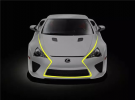
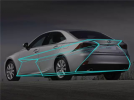
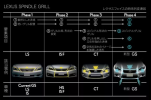
They gave it a spindle grill and it tripled sales, vs the 2006 design which barely moved the needle YoY.
That still wasn't enough to save it in the line up.
Pre-spindle era was carried by the RX, as pre-2010 the Luxury SUV competition was weak.
Even with extreme redesigns it's barely captured incremental market from the X5, GLE, etc.
People who are buying an IS at age 60 are not ever buying an LS or other upmarket car.
Young buyers entering the brand worth 2x - 3x as much to them.
Growing your sales by 2/3rds in the same year all of your competition put out their hottest **** ever speaks to a redesign that worked.
If they could have just done another standard Lexus refresh and hit sales figures, they would have done that.
They chose to do what they did because they saw the market outlook.
Lexus has actually backslid and average age of buyers has gotten older, which coincides with an inability to produce competitive offerings that have what younger buyers actually care about.
The F Sport offerings were instrumental in bringing in younger buyers, and in recent years they completely fumbled that too by not committing to F Sport and F and new models.
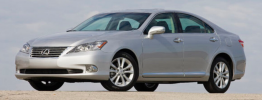
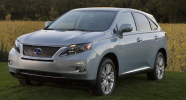
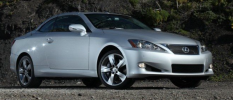
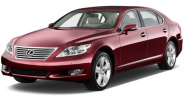
Young people (who then go on to become your next critical generational wave of buyers) were not buying this:
View attachment 10726
or this
View attachment 10727
or this
View attachment 10728
or this
View attachment 10729