mmcartalk
Expert
- Messages
- 4,164
- Reactions
- 2,677
MM Retro-Write-Up: 1974/75 Plymouth Trail Duster
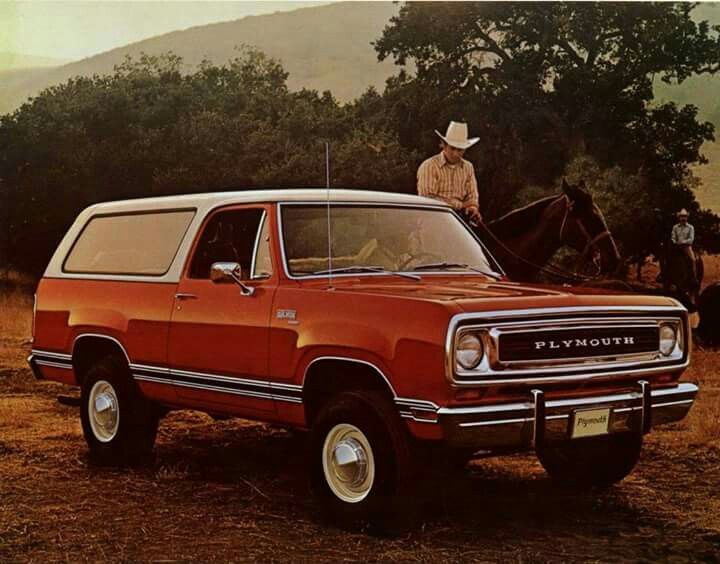

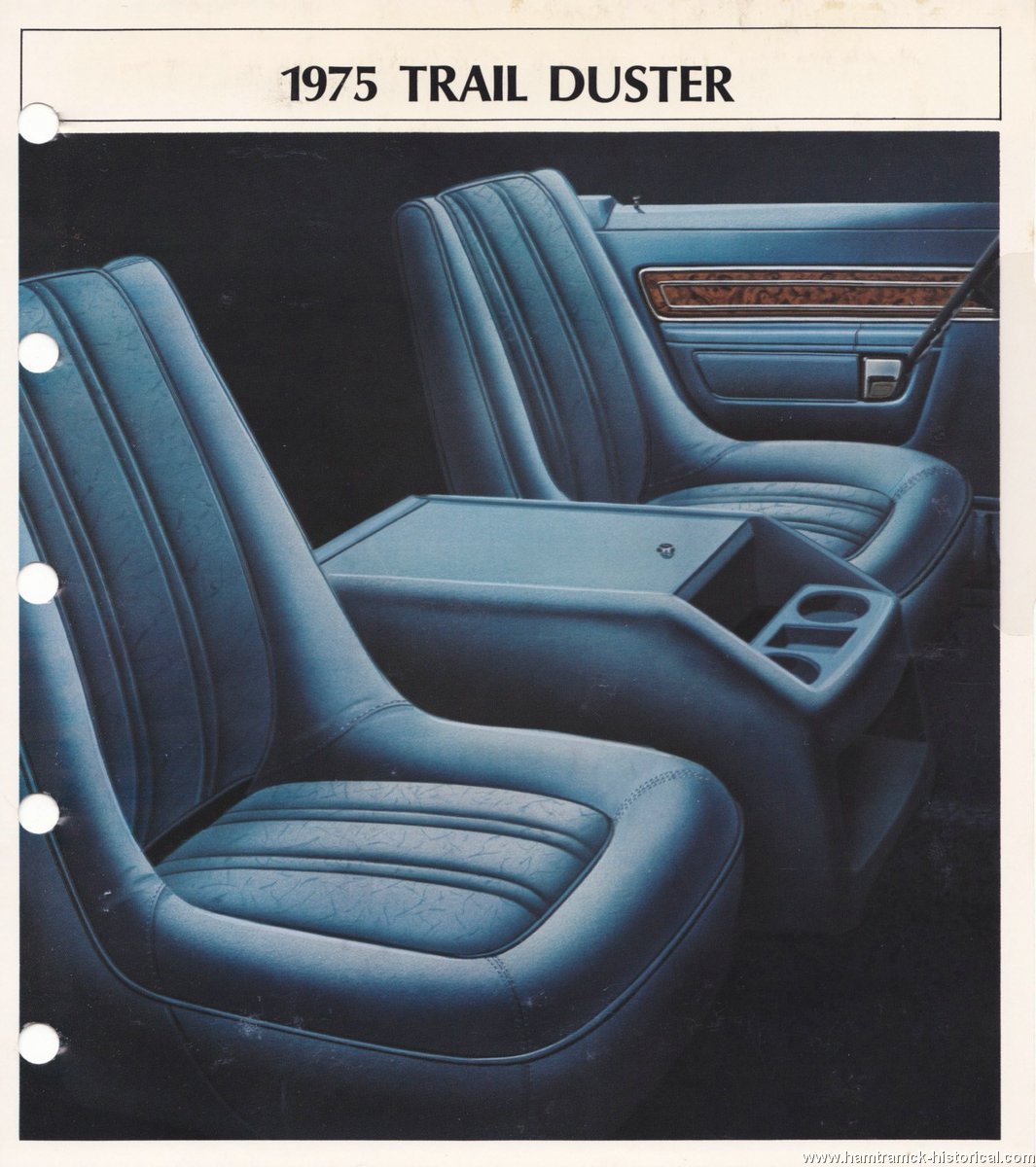

In the mid-1960s, the body-on-frame Ford Bronco was arguably the first significant competition to the Jeeps (then marketed by the Kaiser-Jeep Corporation). Although SUVs, in that Age of Muscle-Cars, were still a fairly small share of the U.S. market, the Bronco's relative success, and the success of the truck-based Chevrolet K5 Blazer a few years later, prompted Chrysler to invest in its own set of competitive twins, the truck-based Dodge Ramcharger and Plymouth Trail Duster. Both of them, of course, used the same platforms, body shells, and drivetrain-running-gear. Although the Ramcharger had an interesting-looking real silver Ram-head ornament on the hood, made of real brushed-metal (no cheap plastic exterior trim back then LOL), and the two SUVs looked almost the same except for the ornament and headlights, I generally preferred the Trail Duster, even though it came with less standard equipment than the Ramcharger and its trim was a little more stark inside. I was also, back then, somewhat more partial to Chrysler/Plymouth (then a single division) than I was to its sister Dodge division. I had previously owned a big Chrysler Newport (after my big Buick Electra), had first learned to drive, in high school, on both of my Dad's manual-transmission and Torqueflite automatic Plymouth Valiant compacts, and, as a used car, had owned one of the first mid-60s Valiant-based Plymouth Barracudas with the very large rear window. Except for a crap two-barrel carburetor, somewhat weak electrical system, and crap non-power drum brakes that constantly faded, those 60s-vintage Plymouths, particularly before the late 60s when their overall quality began to slip, were tank-like in their solidness.
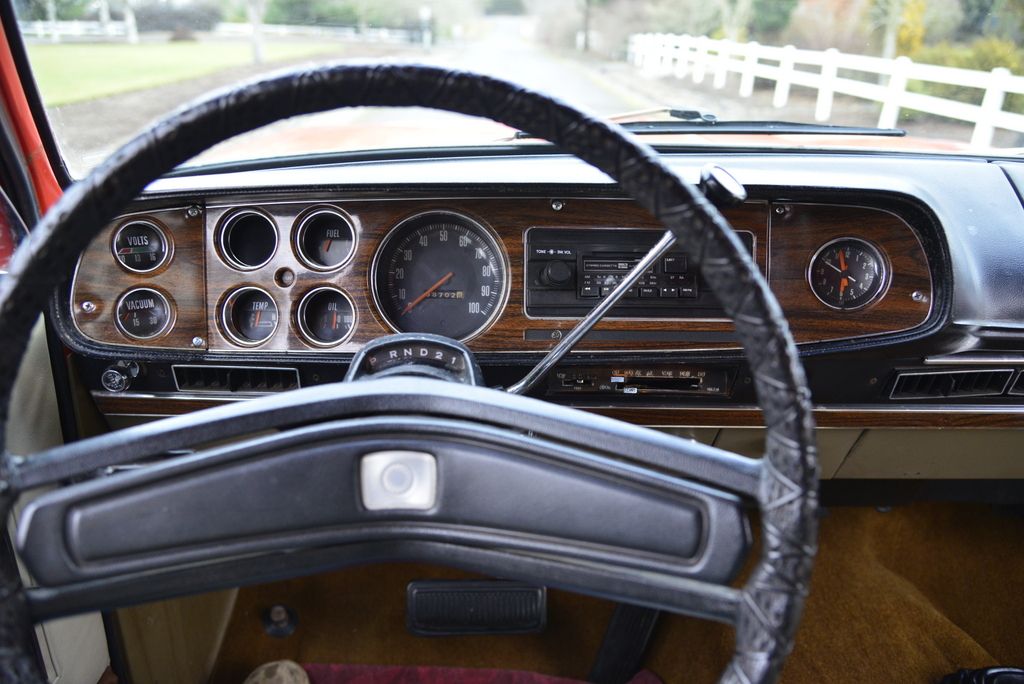
By the 1970s, except for the sturdy 3.7L Slant-Six, 5.2L V8 engines, and the Torqueflite Automatic transmissions, Chrysler quality had become a has-been (and still remains below average today, except for the Charger/Challenger/300), though they still made some interesting vehicles and designs. But the Trail Duster and Ramcharger weren't anything really special in their designs, and, for the most part, like the Chevy Blazer, were simply a slightly-shortened Dodge pickup frame with an enclosed rear end instead of an open bed, and minimal seating/comfort/convenience features inside. Even with passenger seats in back (which were an option), they were obviously not built for comfort, and, with the lack of sound-insulation and the way the suspension was designed and attached to the frame, you could hear and feel virtually everything that was going on underhood, in the transmission, and on the road under you. Still, they had an interesting semi-macho look and feel, and, even though I was not a cowboy or rancher at heart (never have been), there was an air and image about them that I liked.
In the church I was a member of at the time, we worked on a project in Virginia's Shenandoah Valley, near Front Royal and the start of Virginia's Skyline Drive, IMO one of the most beautiful places in the Eastern part of the U.S. It was on the property of the father of the wife of the youth Pastor. One of my friends, in the church, had a blue and white Trail Duster (a '74 or '75....can't remember which), and we used it to run back and forth from the D.C. area to Front Royal and carry some things in the back, behind the rear seats (or with the seats removed). I sampled it, but, not surprisingly, it didn't drive much different from a typical Dodge pickup. It was useful, though, for carrying us (and come cargo) inside, out of the rain. By that time, the very worst of the 1973-74 gas crunch was over, and it was becoming easier to get gas at local stations again. That was also right around the time that lead-free gas started being marketed across the board for the new catalytic-converter vehicles, although the Amoco company had always marketed lead-free gas even when it wasn't yet required.
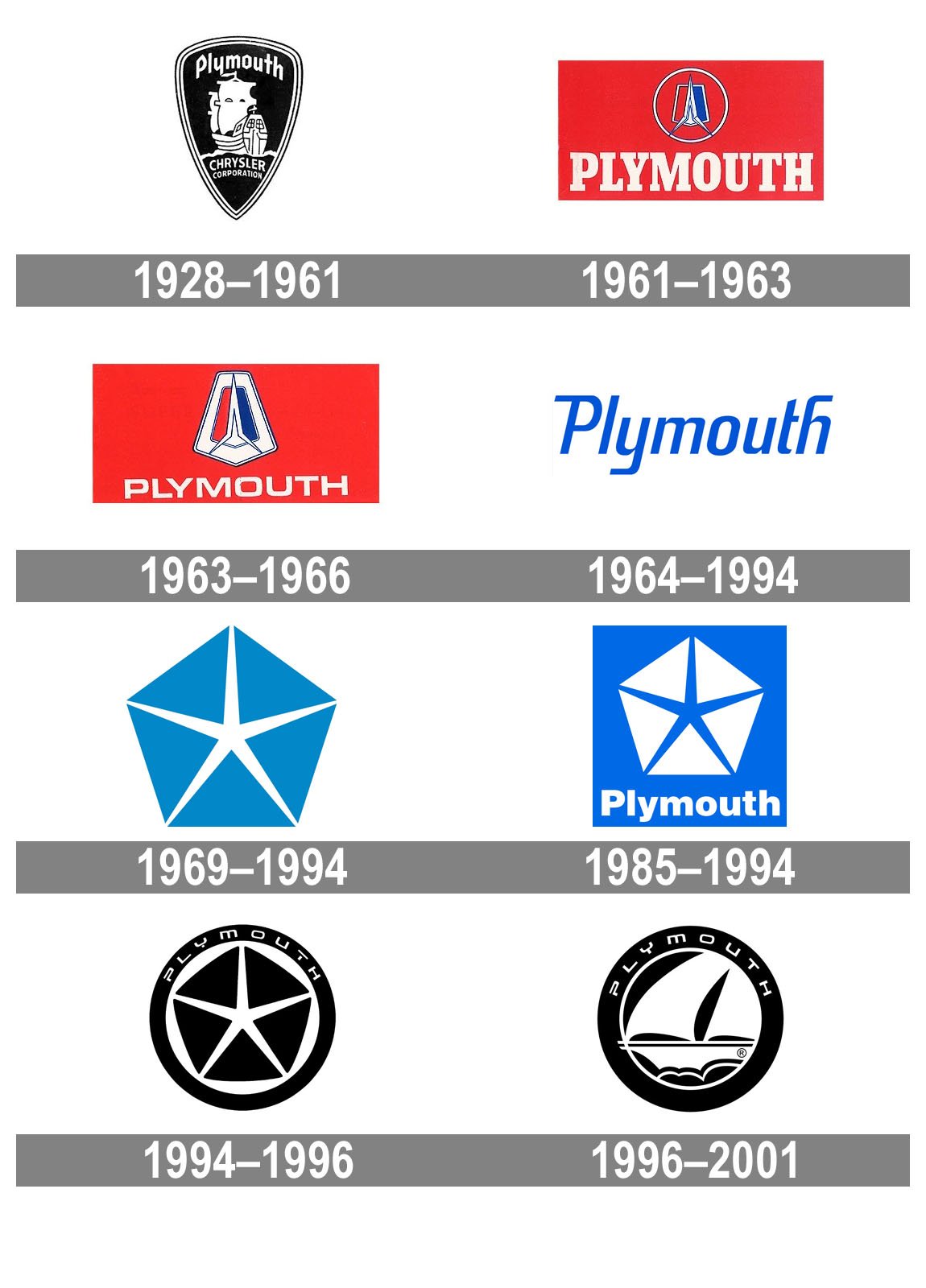
The Trail Duster was dropped at the end of the 1991 model year, and the Ramcharger was sold in the U.S. until 1993, though Canadian versions lasted till 1996....same year the Ford full-size Bronco was dropped. The Plymouth nameplate, today, of course, is (sadly) gone. The Blazer was renamed the Tahoe in 1995, although it is no longer available in 2-door form. A new "Blazer" (which is, IMO, a joke) was introduced two years ago...a mid-sized, car-based crossover that, despite the name, has absolutely no comparisons at all to the last Blazer. As I write this, Ford is currently in the process of introducing a new 2021 mid-size, body-on-frame Bronco, that, style and platform-wise, despite being some what smaller, does MUCH more justice to the last Bronco nameplate....and a smaller, compact 2021 Bronco Sport crossover that is based on the new Ford Escape. Larger two and four-door Ramchargers, after 1995, were sold in other countries, but (sadly) not in the U.S.
And, as Always, Happy Vehicle-Memories

MM
__________________

DRIVING IS BELIEVING

In the mid-1960s, the body-on-frame Ford Bronco was arguably the first significant competition to the Jeeps (then marketed by the Kaiser-Jeep Corporation). Although SUVs, in that Age of Muscle-Cars, were still a fairly small share of the U.S. market, the Bronco's relative success, and the success of the truck-based Chevrolet K5 Blazer a few years later, prompted Chrysler to invest in its own set of competitive twins, the truck-based Dodge Ramcharger and Plymouth Trail Duster. Both of them, of course, used the same platforms, body shells, and drivetrain-running-gear. Although the Ramcharger had an interesting-looking real silver Ram-head ornament on the hood, made of real brushed-metal (no cheap plastic exterior trim back then LOL), and the two SUVs looked almost the same except for the ornament and headlights, I generally preferred the Trail Duster, even though it came with less standard equipment than the Ramcharger and its trim was a little more stark inside. I was also, back then, somewhat more partial to Chrysler/Plymouth (then a single division) than I was to its sister Dodge division. I had previously owned a big Chrysler Newport (after my big Buick Electra), had first learned to drive, in high school, on both of my Dad's manual-transmission and Torqueflite automatic Plymouth Valiant compacts, and, as a used car, had owned one of the first mid-60s Valiant-based Plymouth Barracudas with the very large rear window. Except for a crap two-barrel carburetor, somewhat weak electrical system, and crap non-power drum brakes that constantly faded, those 60s-vintage Plymouths, particularly before the late 60s when their overall quality began to slip, were tank-like in their solidness.
By the 1970s, except for the sturdy 3.7L Slant-Six, 5.2L V8 engines, and the Torqueflite Automatic transmissions, Chrysler quality had become a has-been (and still remains below average today, except for the Charger/Challenger/300), though they still made some interesting vehicles and designs. But the Trail Duster and Ramcharger weren't anything really special in their designs, and, for the most part, like the Chevy Blazer, were simply a slightly-shortened Dodge pickup frame with an enclosed rear end instead of an open bed, and minimal seating/comfort/convenience features inside. Even with passenger seats in back (which were an option), they were obviously not built for comfort, and, with the lack of sound-insulation and the way the suspension was designed and attached to the frame, you could hear and feel virtually everything that was going on underhood, in the transmission, and on the road under you. Still, they had an interesting semi-macho look and feel, and, even though I was not a cowboy or rancher at heart (never have been), there was an air and image about them that I liked.
In the church I was a member of at the time, we worked on a project in Virginia's Shenandoah Valley, near Front Royal and the start of Virginia's Skyline Drive, IMO one of the most beautiful places in the Eastern part of the U.S. It was on the property of the father of the wife of the youth Pastor. One of my friends, in the church, had a blue and white Trail Duster (a '74 or '75....can't remember which), and we used it to run back and forth from the D.C. area to Front Royal and carry some things in the back, behind the rear seats (or with the seats removed). I sampled it, but, not surprisingly, it didn't drive much different from a typical Dodge pickup. It was useful, though, for carrying us (and come cargo) inside, out of the rain. By that time, the very worst of the 1973-74 gas crunch was over, and it was becoming easier to get gas at local stations again. That was also right around the time that lead-free gas started being marketed across the board for the new catalytic-converter vehicles, although the Amoco company had always marketed lead-free gas even when it wasn't yet required.
The Trail Duster was dropped at the end of the 1991 model year, and the Ramcharger was sold in the U.S. until 1993, though Canadian versions lasted till 1996....same year the Ford full-size Bronco was dropped. The Plymouth nameplate, today, of course, is (sadly) gone. The Blazer was renamed the Tahoe in 1995, although it is no longer available in 2-door form. A new "Blazer" (which is, IMO, a joke) was introduced two years ago...a mid-sized, car-based crossover that, despite the name, has absolutely no comparisons at all to the last Blazer. As I write this, Ford is currently in the process of introducing a new 2021 mid-size, body-on-frame Bronco, that, style and platform-wise, despite being some what smaller, does MUCH more justice to the last Bronco nameplate....and a smaller, compact 2021 Bronco Sport crossover that is based on the new Ford Escape. Larger two and four-door Ramchargers, after 1995, were sold in other countries, but (sadly) not in the U.S.
And, as Always, Happy Vehicle-Memories
MM
__________________
DRIVING IS BELIEVING