

-
New recall expands the original May 2024 campaign for machining debris and possible engine failure in 2022-2023 Toyota Tundra and Lexus LX 600 models
-
2024 Lexus LX 600 and GX 550 models are now impacted and under recall
-
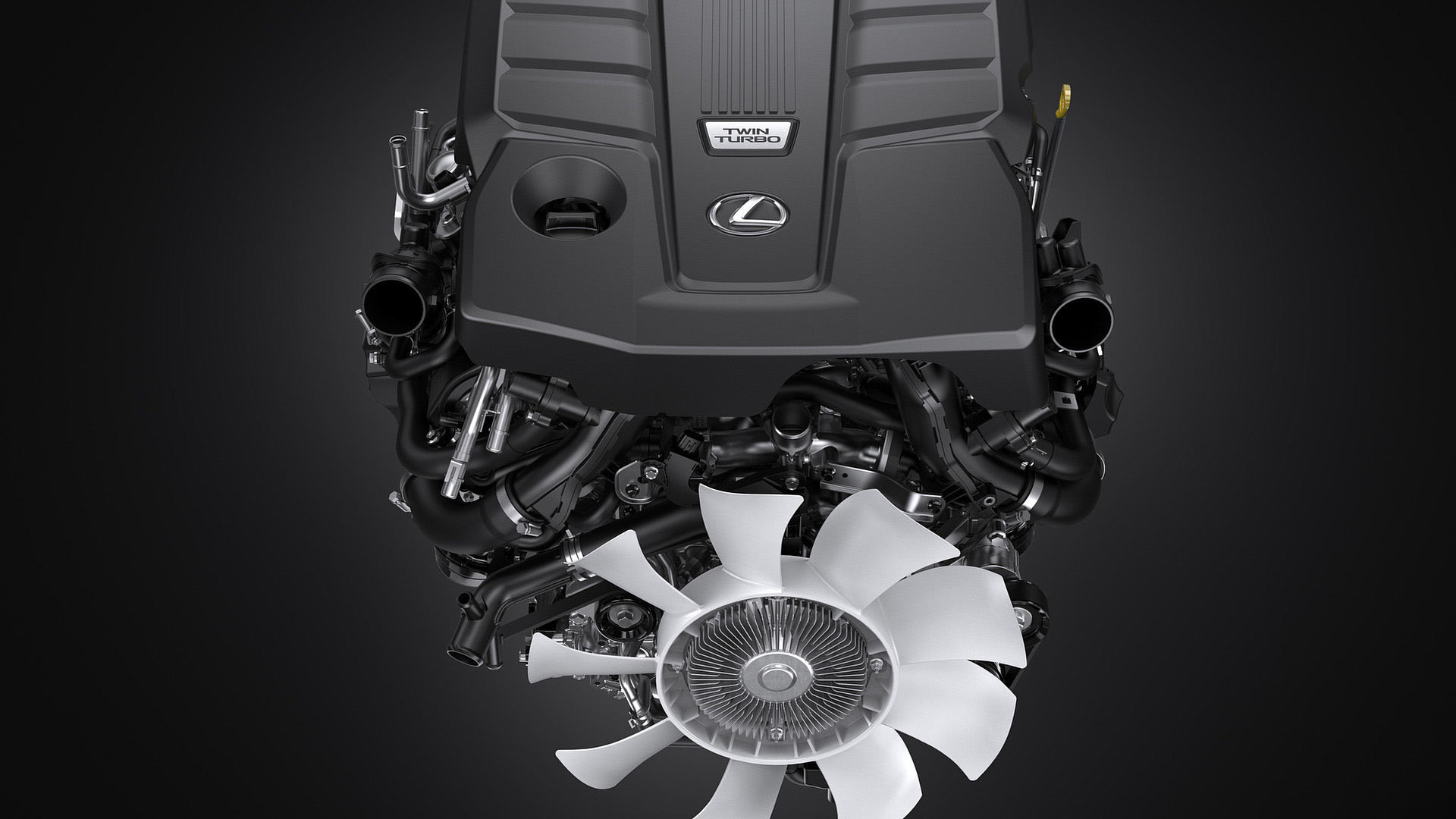
The 3.4L twin-turbo V6 engines in these vehicles may contain machining debris from improper assembly and could lead to engine failure
Toyota has announced an expanded safety recall affecting certain 2024 Lexus LX 600 and GX 550 models, along with the Toyota Tundra pickup. This recall extends a previous recall from from May 2024 but now includes additional model years and the Lexus GX 550, which uses the same 3.4L twin-turbo V6 engine.
The recall centers on a manufacturing defect related to machining debris that may not have been properly cleared during engine production. According to the announcement from Toyota, approximately 127,000 vehicles are impacted in the U.S. market.
Affected Vehicles
The recall now includes the following vehicles equipped with the V35A-FTS twin-turbo V6 engine:
- 2022-2024 Toyota Tundra
- 2022-2024 Lexus LX
- 2024 Lexus GX 550
The original May 2024 recall was limited to 2022-2023 model years of the Tundra and Lexus LX only. By adding the 2024 model years as well, and bringing the GX 550 into the mix, Toyota has acknowledged that the manufacturing issue affecting these twin-turbocharged engines extended further into production than initially understood.
For GX 550 owners, this news is particularly significant since it is the first time the GX has been included in the recall campaign.
The Problem Remains Unchanged
The underlying issue with these engines is the same one identified in May 2024: machining debris that wasn’t properly cleared during engine manufacturing. This contamination can cause a cascade of problems ranging from disruptive to dangerous.
Symptoms include engine knocking, rough running, failure to start, and full engine failure. In the worst-case scenario, affected engines can experience a complete loss of power while driving. Losing propulsion at highway speeds creates an obvious safety risk, which is why Toyota has moved forward with this expanded recall.
When Toyota announced the original recall last year, the remedy was straightforward: complete engine replacement at no cost to customers. Affected owners were notified by late July 2024, and dealerships began swapping engines for new units.
This time around, Toyota states it is “currently developing the remedy for this issue.” No timeline has been provided for when that remedy will be finalized.
The expansion of the recall with the lack of a confirmed remedy raises questions. Will Toyota continue with full engine replacements for these additional vehicles? That is a significant undertaking given the expanded scope. Or has the company identified an alternative solution that addresses the contamination without requiring complete powertrain swaps?
Perhaps most importantly, if the same issue is to blame – improper washing of machining debris in the assembly process – how has this not been corrected, especially considering the prior recall?
Owner Actions: Timeline and Next Steps
Affected owners can expect to receive official notification by early January 2026. That’s roughly two months away, giving Lexus time to finalize its remedy plan and prepare dealerships for the additional impacted vehicle repairs.
In the meantime, owners should verify whether their vehicle is included in the recall. The easiest way to check is by visiting Lexus.com/recall or nhtsa.gov/recalls and entering your VIN or license plate number. You can also call the Lexus Guest Experience Center directly at 1-800-255-3987 with specific questions.
Engine knocking, rough idling, loss of power, or difficulty starting should prompt an immediate call to your Lexus dealer. Even though the official remedy isn’t finalized, your Lexus dealership can document your issues and advise you on repairs or next steps.
A Growing Scope
Expanding a recall months after the initial announcement isn’t unprecedented, but it does suggest Toyota’s investigation into the manufacturing defect uncovered more affected vehicles than originally identified. The addition of the Lexus GX 550 indicates the problem wasn’t isolated to a specific production window but rather a systemic issue with the twin-turbo V6 manufacturing process.
For a company that built its reputation on quality and reliability, recalls like this sting. But addressing safety concerns head-on, even when it means broadening the scope significantly, is the responsible approach. Lexus owners should take comfort in the proactive nature of this expanded recall campaign, even if the timing and lack of a confirmed remedy create some headaches.
Source: Toyota Newsroom