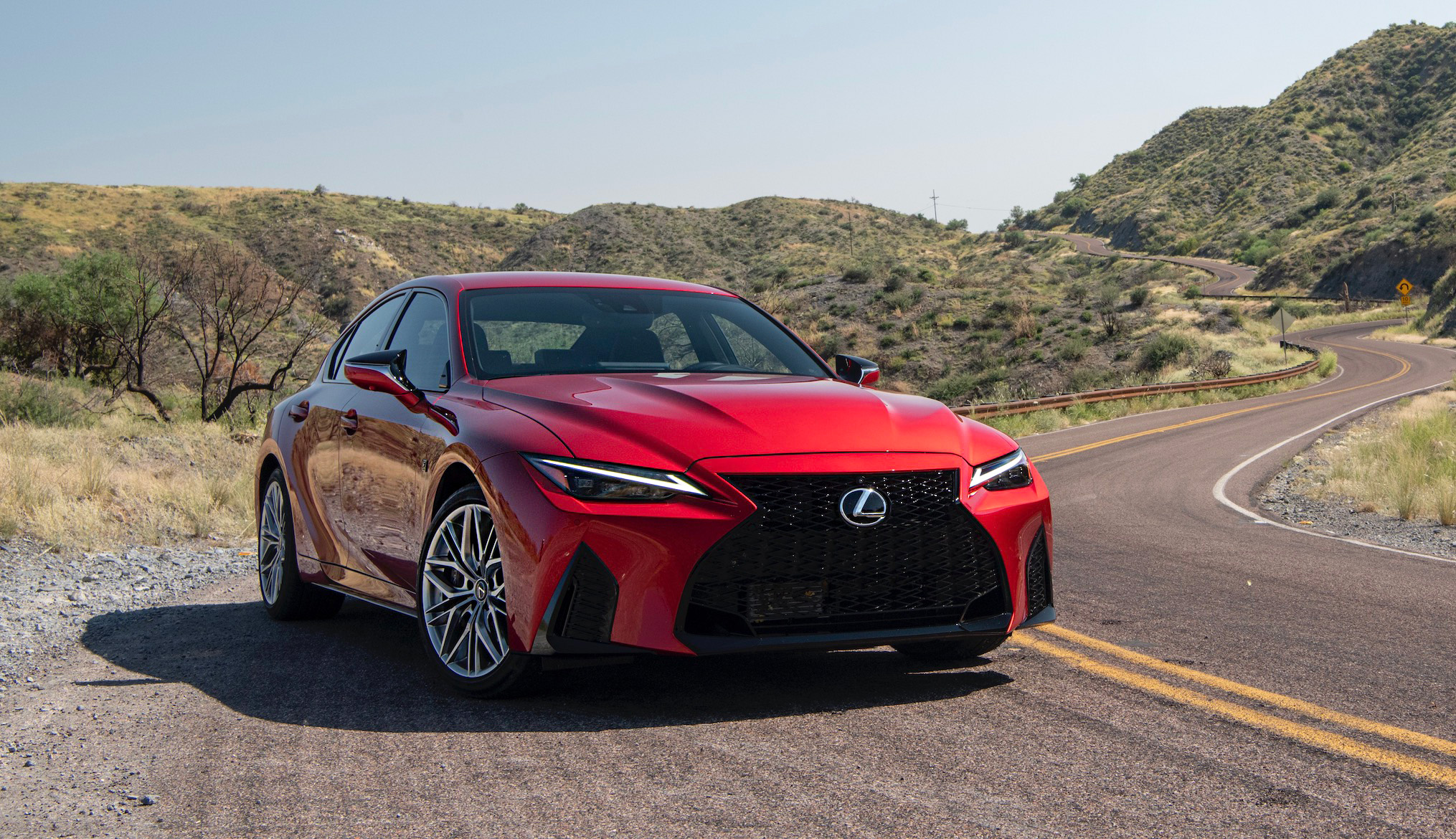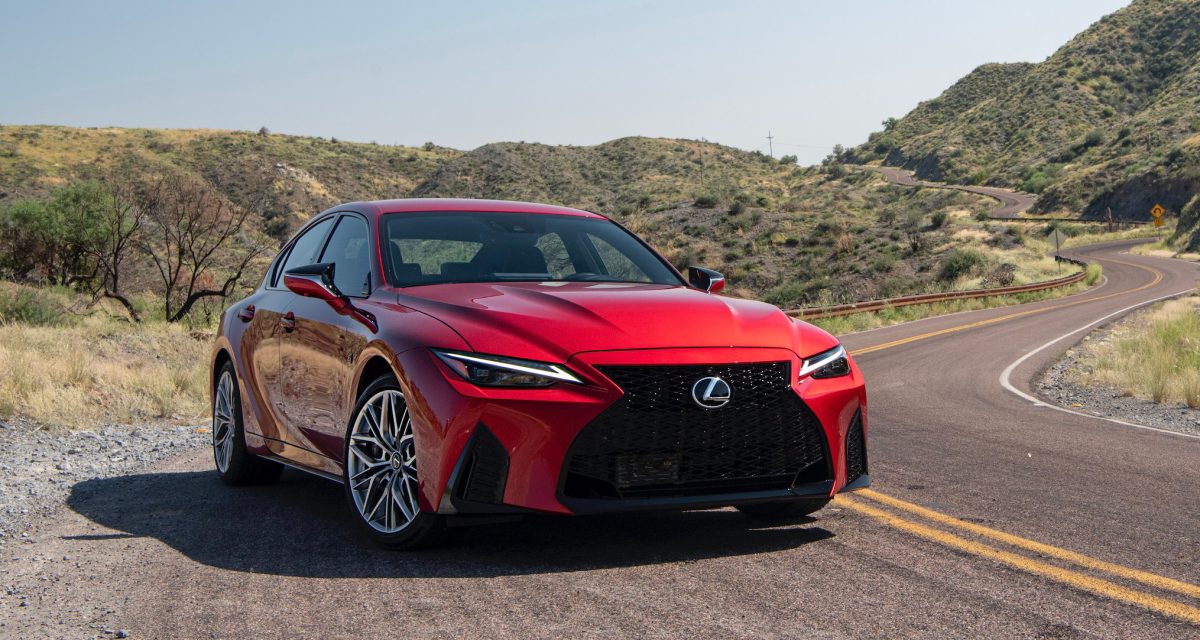

Before you go further, let me be transparent: I own a 2023 IS 500 and have had it for two and a half years and 6,537 miles. I bought it brand new, I love it, and I’m biased. As Lexus closes the books on this car, I think it deserves one last moment of reflection primarily because the media spent more time talking about what the IS 500 isn’t than giving credit for what it is.
Having owned or driven most Lexus models in my lifetime, I can say the IS 500 is a truly special car that represents the end of an era for Lexus while simultaneously being one of the brand’s best products – ever.
Onward.
Something Old, Something New
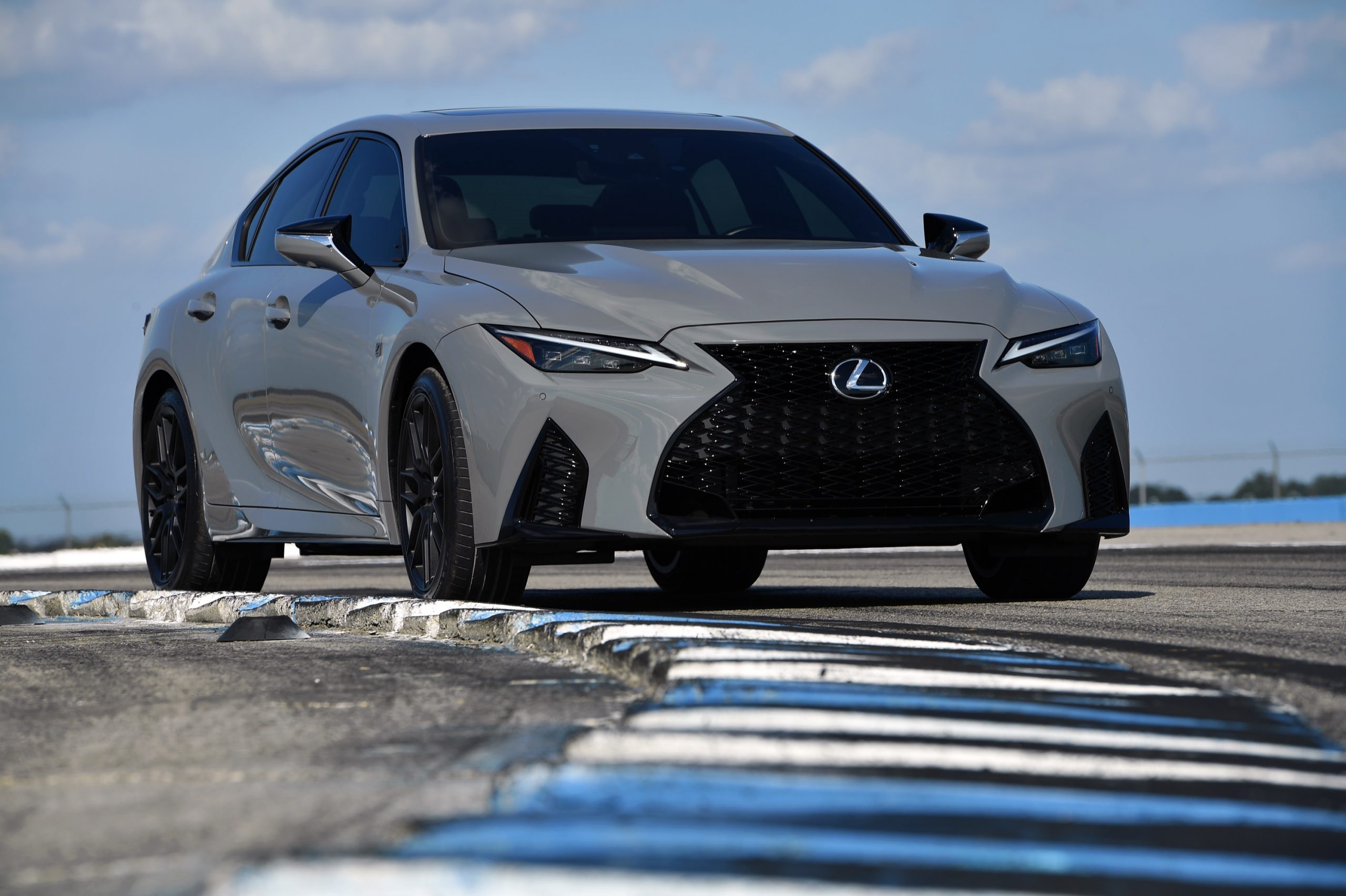
When Lexus introduced the IS 500 F SPORT Performance in 2022, buyers, the media, nor enthusiasts knew quite what to make of the car. The first “F SPORT Performance” model… and what did that mean exactly? Was this an IS F gone incognito, or an IS 350 with Lexus’ 5.0L V8 shoehorned under the hood and not much else?
Here was a rear-wheel drive, naturally aspirated V8 sedan at a time when the industry had already moved on with turbochargers, batteries, and electrified all-wheel drive systems. Critics and media immediately began drawing comparisons to Lexus’ own “full F” cars and noting what the IS 500 wasn’t: it lacked the track-ready brakes and cooling functionality of the GS F and RC F, the street cred and personality of the IS F, the bleeding-edge performance of German rivals, and the break-neck acceleration of BEVs.
The IS 500 was dismissed as not being hardcore, updated, or fast enough by modern standards, and much of the press and enthusiast market moved on.
But here’s what they missed: the IS 500 wasn’t trying to be any of those things. It’s something far more special and pure in Lexus’ own mission and history of building V8 performance cars… and now, as production ends with the 2025 Ultimate Edition, we’re realizing just how exceptional this car truly is.
There won’t ever be another Lexus like it.
Lexus’ V8 Swan Song
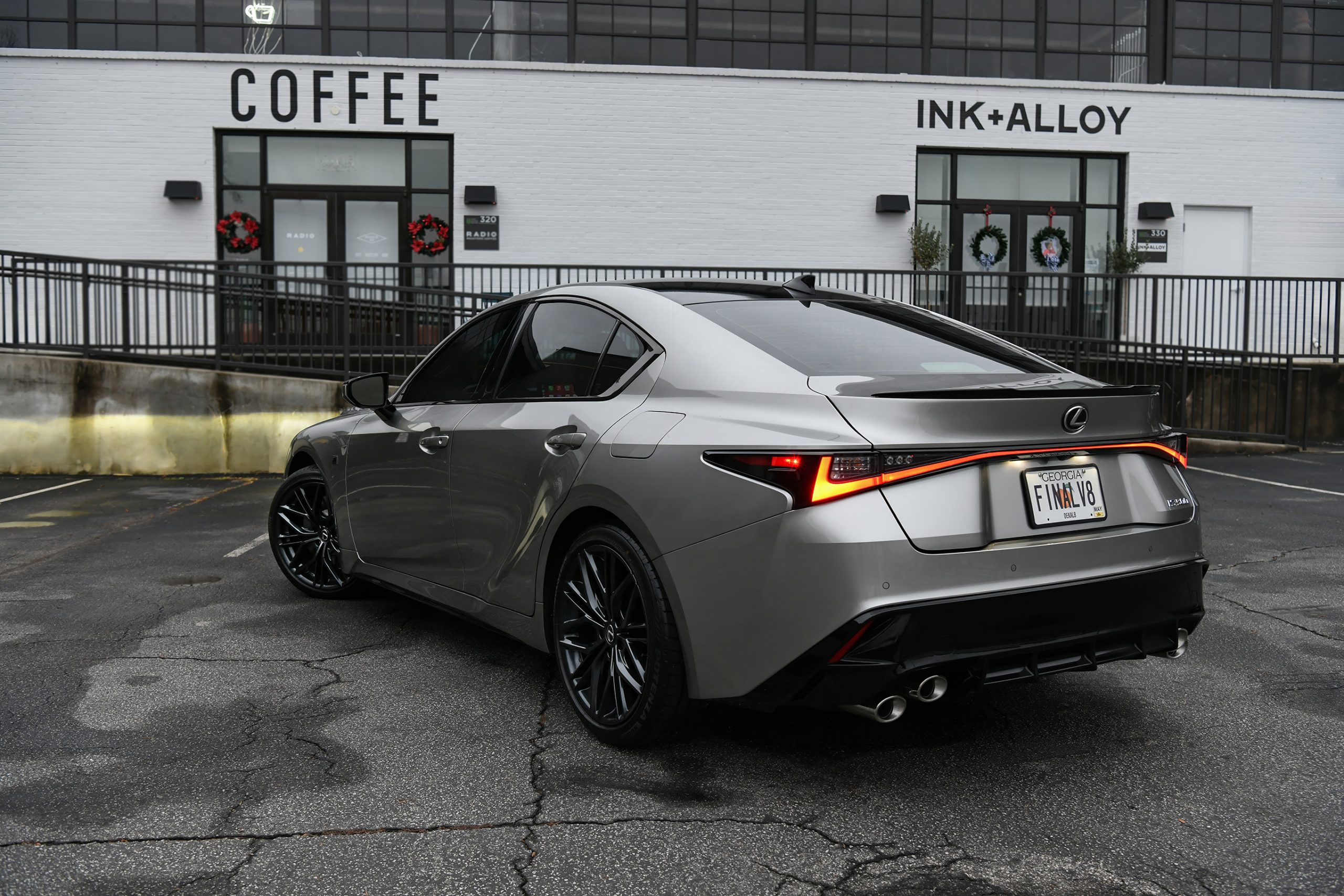
The IS 500 represents a significant milestone in Lexus history: It’s the company’s last new V8 car, ever. While the LC 500 continues this year, making it technically the last Lexus V8 model in the lineup, the IS 500 is the last “new” car to debut with Lexus’ naturally aspirated V8 engine. The LC 500 launched in 2018; the IS 500 arrived four years later in 2022.
Tracing it’s V8, rear-wheel drive roots back to the original LS 400 in 1989, the IS 500 is the final car in the formula that made Lexus famous in the first place.
Much like the original IS F, the IS 500 was a skunkworks project but this time championed by Lexus USA who wanted another fast, affordable, enthusiast-minded IS model. As such, it was built and engineered for the United States and Canada, and it later arrived in Japan considering the West’s highly favorable reception to the IS 500. Only those three markets ever sold the IS 500, making it one of Lexus’ rarer models globally.
Early Media Impressions: Not an F, but Not an F SPORT
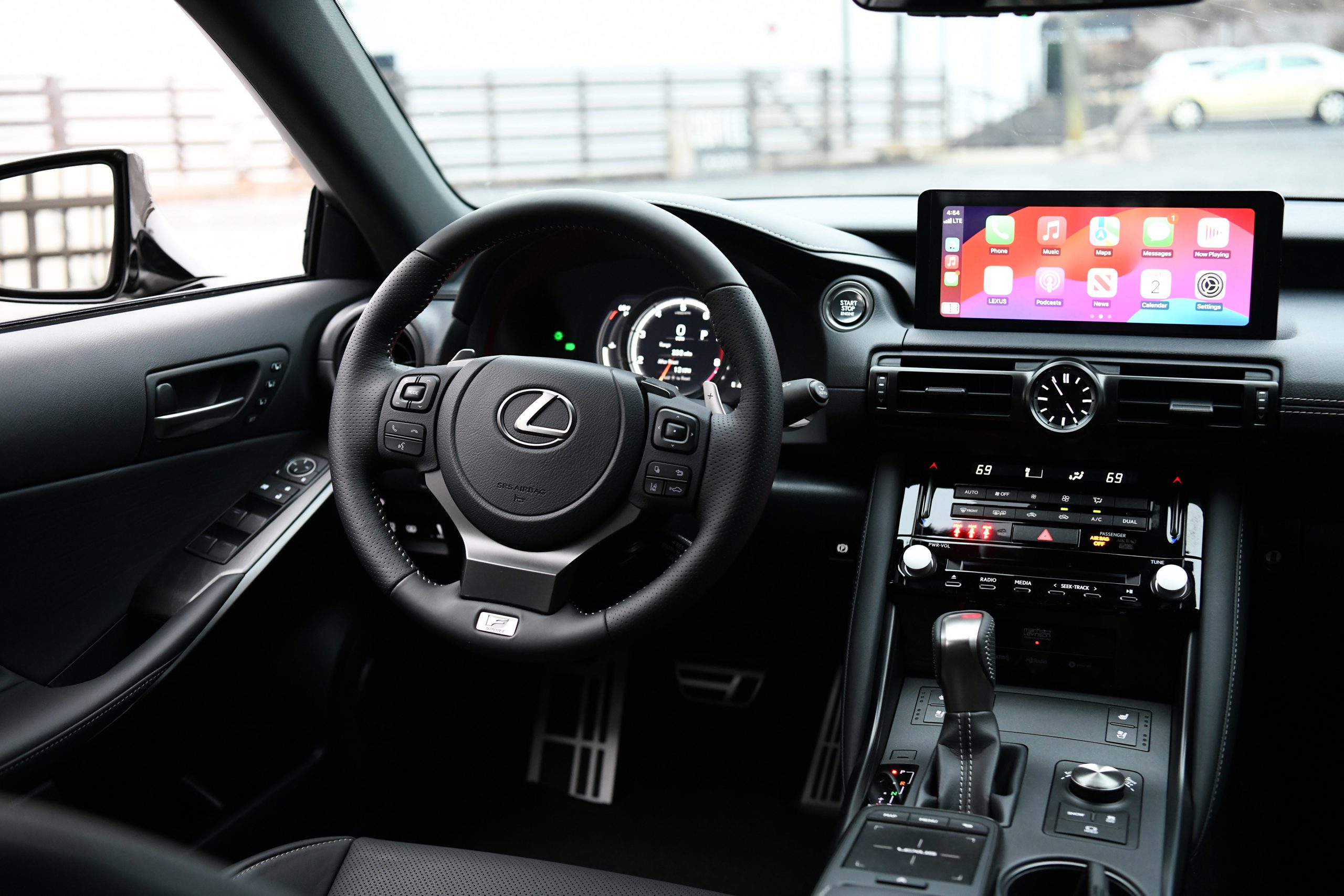
When automotive journalists first got behind the wheel of the IS 500 in early 2022, their impressions were generally positive but came with notable caveats. The naturally aspirated 5.0-liter V8 – borrowed from the RC F and producing 472 horsepower and 395 lb-ft of torque – earned universal praise for its spectacular sound and smooth power delivery.
The car’s comfort and daily drivability impressed testers, and multiple reviewers praised the IS 500 as “an astonishingly comfortable daily driver” with minimal road noise and a compliant, smooth suspension. One review captured this perfectly: the IS 500 was designed as “a daily driver first and foremost,” prioritizing comfort and everyday usability over pure track performance.
But the criticisms came quickly: The eight-speed automatic transmission wasn’t as sharp as Lexus’ newer ten-speed automatic, some called the steering too light, and particular scrutiny was bestowed upon the interior which had a dated dash design and infotainment system. As an owner, I can say these are fair critiques… but deal-breakers they are not.
Perhaps the most common theme reviewers and many enthusiasts consistently pointed out that the IS 500 wasn’t a “full F” car and lacked the upgraded brakes, cooling vents, transmission and oil coolers, and aggressive tuning of the IS F, RC F, and GS F that preceded it. The media noted it was slower to 60 mph than a BMW M340i xDrive and less engaging to drive than European competitors like the Mercedes-Benz C 63 AMG.
The issue with these comparisons is that outside of the M340i, the IS 500 doesn’t compete against those cars in raw performance numbers, and certainly not in price – it is significantly cheaper. That competitive set would be more appropriate for a full blown Lexus IS F, which was never built, and the IS 500 was always intended to battle the “lite” performance sedan crowd: Acura TLX Type S, Audi S4, BMW M340i, Infiniti Q50 Red Sport 400, and Mercedes-Benz C 43 AMG.
If you listen to the media, the IS 500 became the automotive equivalent of Goldilocks: too soft to be a hardcore performance sedan, too old to compete with the latest from Germany and America, too lacking in modern technology and features all around.
What The Media Missed: The Purist’s Perfect Sport Sedan
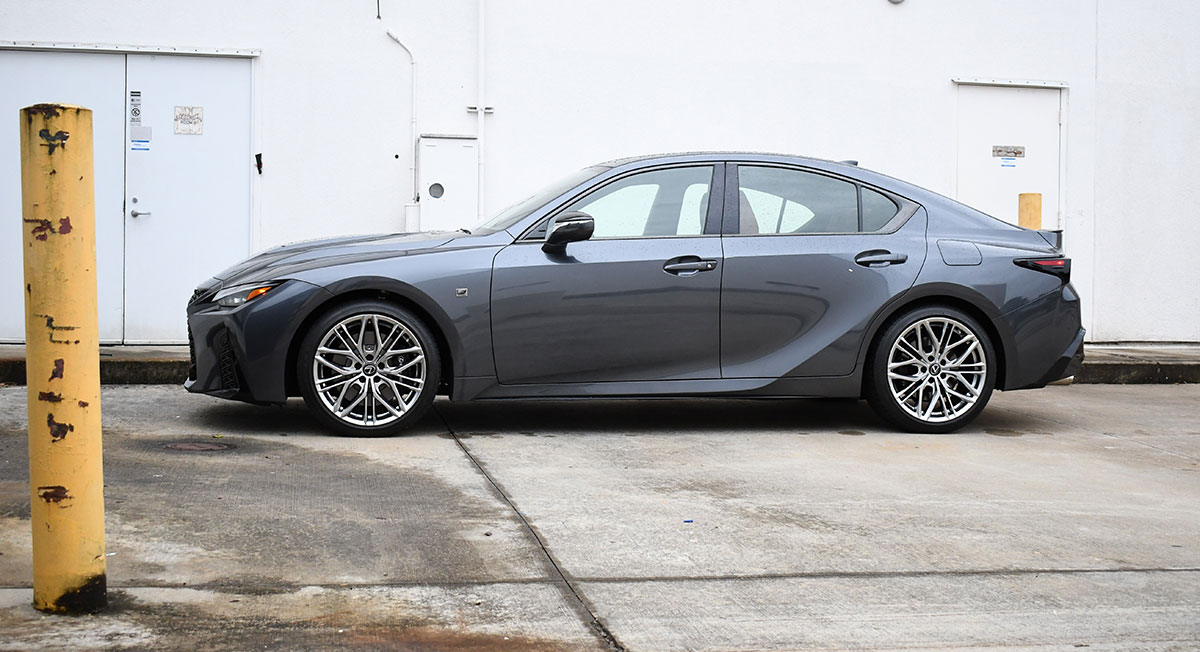
In a rare instance of automotive irony, age was kind to the IS 500: what critics initially saw as its weaknesses became as its greatest strengths. In a world increasingly dominated by turbocharged four-cylinders, hybrid powertrains, batteries, and oversized screens, the IS 500 stands as something rare – it’s simple, analog, tactile, honest, and fun. It’s everything a purist wants without the complexity and simulations most modern cars include.
Lexus never intended the IS 500 to be an IS F. The F SPORT Performance designation was deliberate – and genius – because it allowed Lexus to build a sport sedan that’s truer and more honest to the brand’s original luxury intentions. While a GS F or RC F are undoubtedly sharper and more hardcore, the IS 500 delivers the same glorious V8 experience wrapped in a package that is smoother, more comfortable, and easier to live with every day. Lexus core values are strong here.
Before the F owners light their torches, sharpen their pitchforks, and head for my driveway, I’ve driven the IS F and GS F, and I own an RC F, and I’m not saying the IS 500 is a better performance car than any of them. What I am saying is as an everyday sport sedan that delivers on Lexus’ best brand qualities, the IS 500 is simply fantastic in its own right. Lexus’ F lineup was never that comparatively hardcore and struggled to equal the raw performance offered by M, AMG, RS, and V, but the IS 500 avoided many of those comparisons all together by being admittedly different and more relaxed.
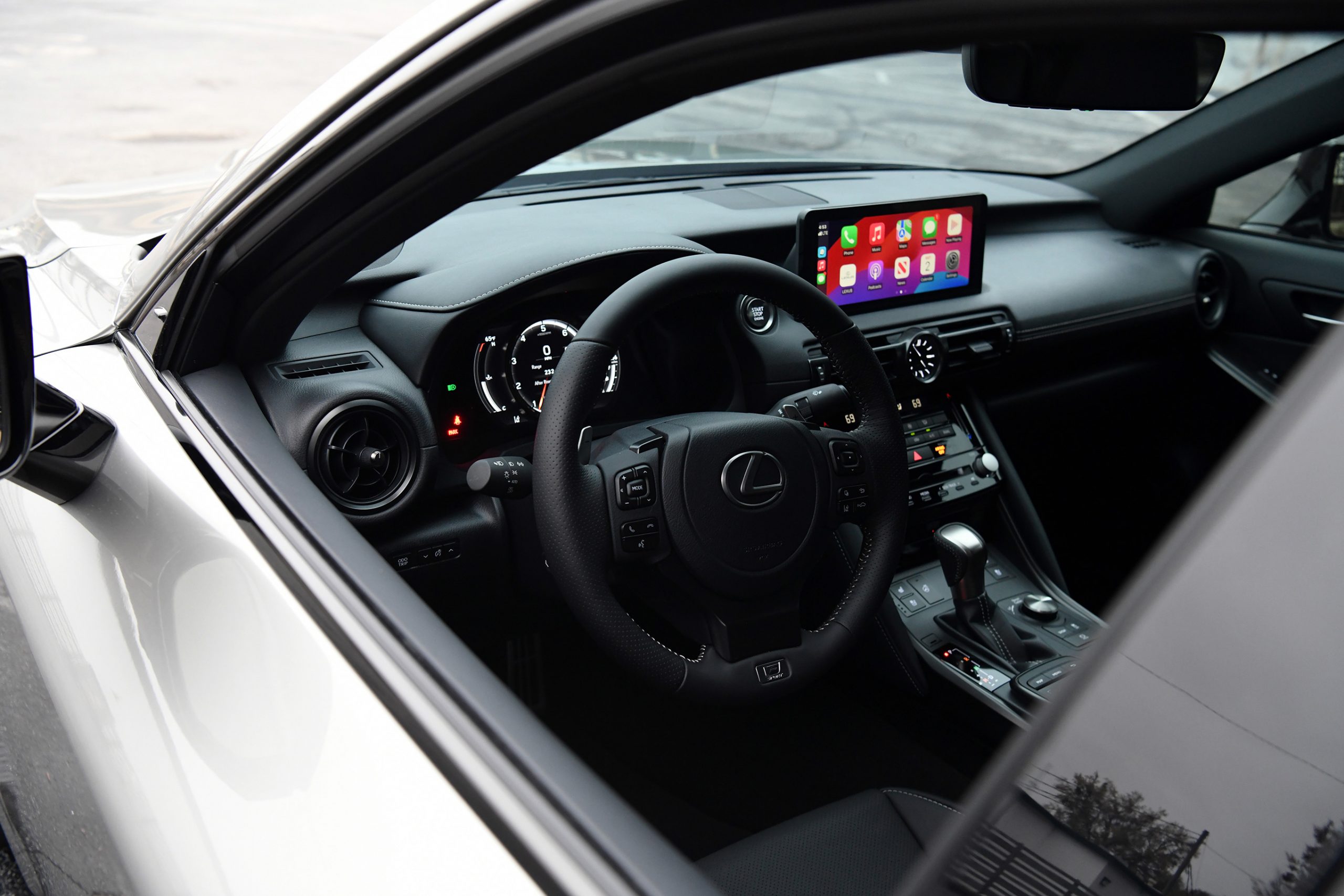
I said recently to a friend that the IS 500 reminds me most of the second generation Lexus GS 400 and GS 430, cars that many of us reflect on fondly. Beautiful, sporty, luxurious, and fast with Lexus’ smooth, revvy V8 engines, but short of being full blown performance models. The IS 500 shares those similarities and completed the mission started by the second generation GS: it’s a fantastic sport sedan you will love living with because it’s fast when you want it to be, comfortable when you need it to be, and as reliable as you expect it to be.
In an era where M cars, AMGs, and RS models have become increasingly digital, complex, and expensive, the IS 500 takes the opposite approach. It’s a V8 sports sedan that does everything you ask without compromise or worry.
The Epiphany Arrives Too Late
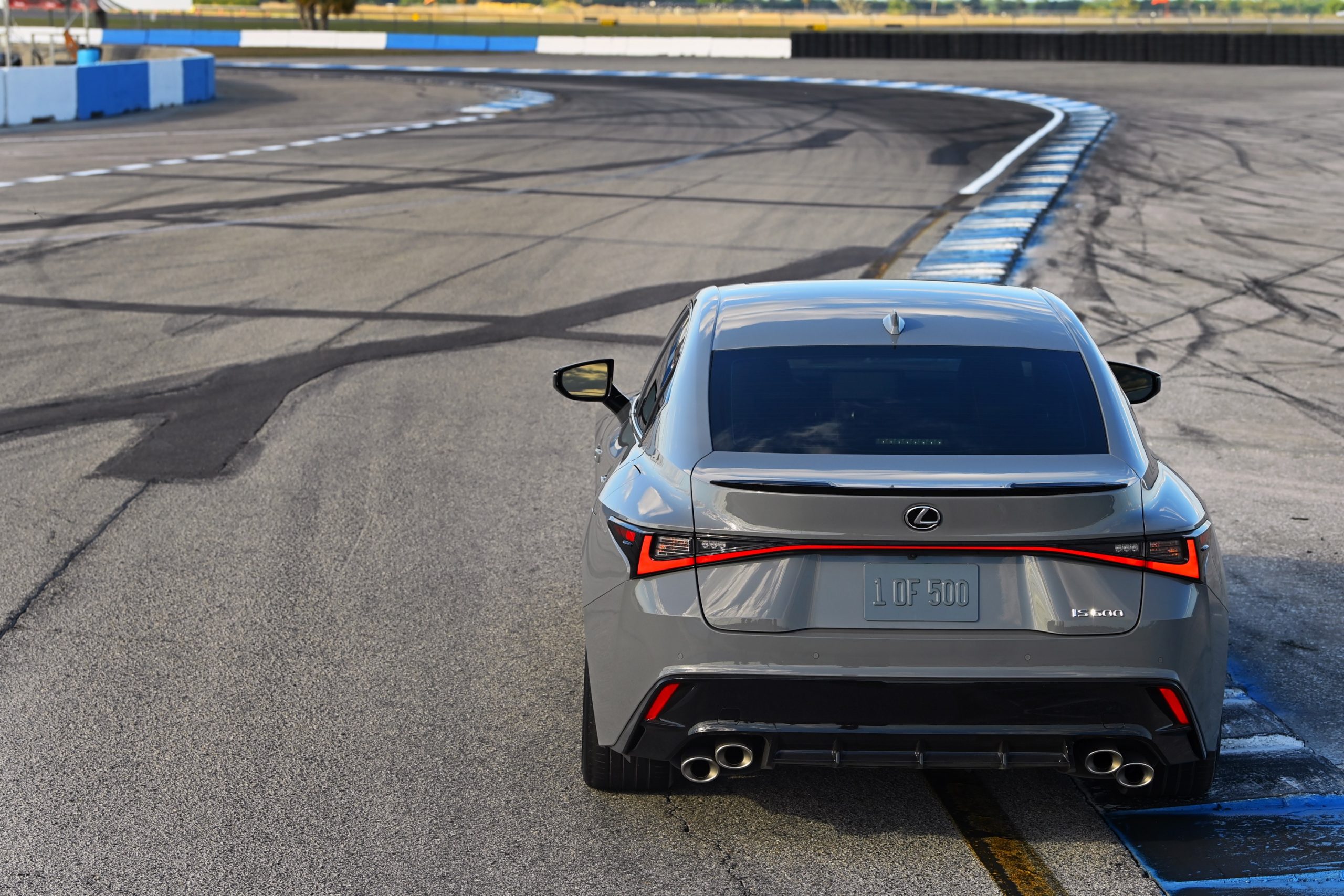
As 2025 came to a close and Lexus confirmed that the IS 500 would end production, something shifted in the automotive conversation. Reviewers who previously dismissed the IS 500 began reconsidering their positions. Throttle House released a video titled “The V8 Time Capsule,” recognizing the IS 500 as something special that deserved preservation and ultimately preferred the IS 500 over the BMW M2. Motor1 called it “almost perfect” and suggested it came “pretty close to a Forever Car.” Other publications began using phrases like “future collectible” and “the end of an era.”
The realization set in: what critics originally viewed as old-school limitations were actually timeless virtues. The naturally aspirated V8 wasn’t outdated – it was pure. The suspension wasn’t soft – it was uncomplicated and livable. The “dated” platform wasn’t a liability – it was light, nimble, and proven. The fact that it wasn’t as fast as a BMW M340i or as sharp as an Audi S4 wasn’t a failure – it was a different philosophy entirely.
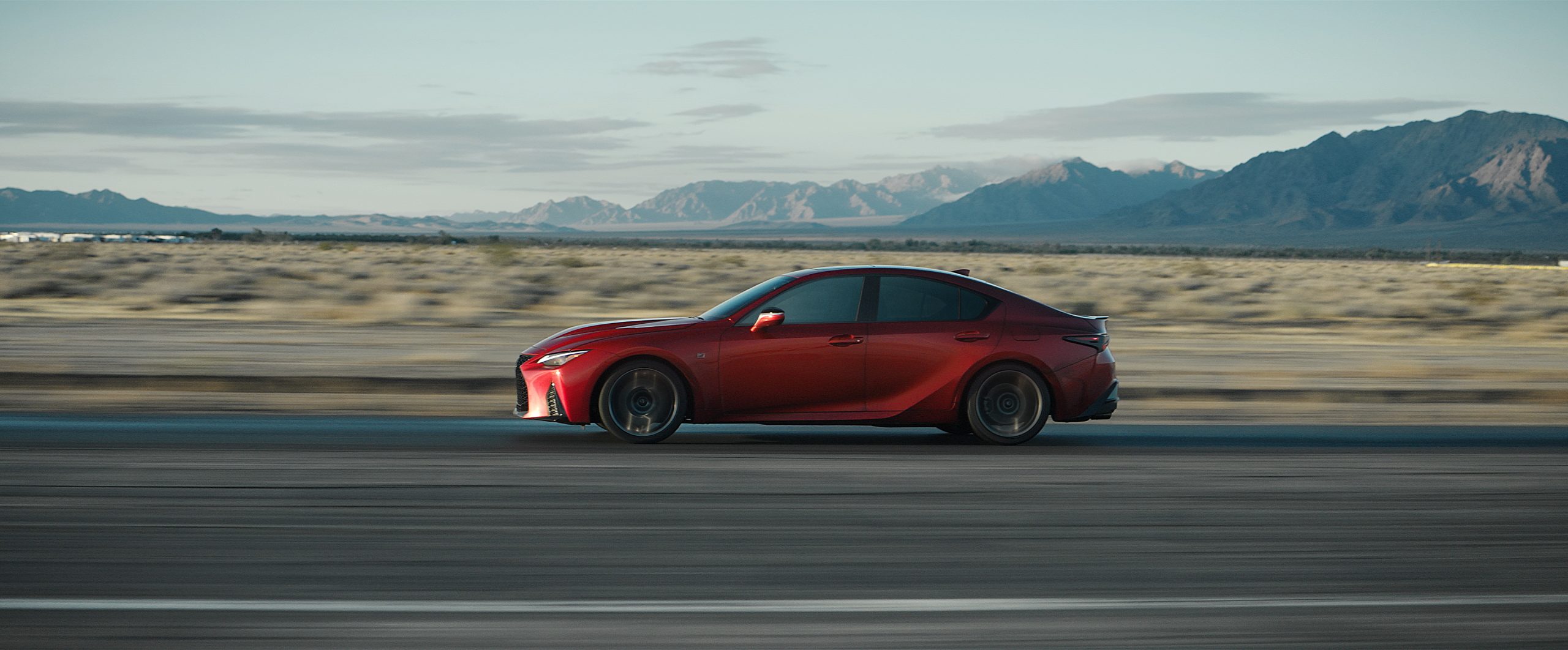
What makes the IS 500’s story so poignant is that the very criticisms bestowed upon it in the beginning are exactly what make it so fantastic as it closes out Lexus’ legacy of rear-wheel drive V8 performance sedans. It’s not too fast, not too harsh, not too compromised. It’s just right – the Goldilocks of performance sedans that nailed the balance between excitement and livability.
The IS 500 will go down in history as one of Lexus’ best products ever because it captured something essential about what makes driving special, and delivered it in Lexus’ signature recipe.
It’s a shame it took us until the end to fully appreciate it. But perhaps that’s fitting – sometimes the best things are only truly valued in hindsight, when we realize we’re watching the last of something wonderful fade into history.
In many ways, the IS 500 did get its stars, just a bit later than it deserved.
Owner POV: What do we want, and what do we need?
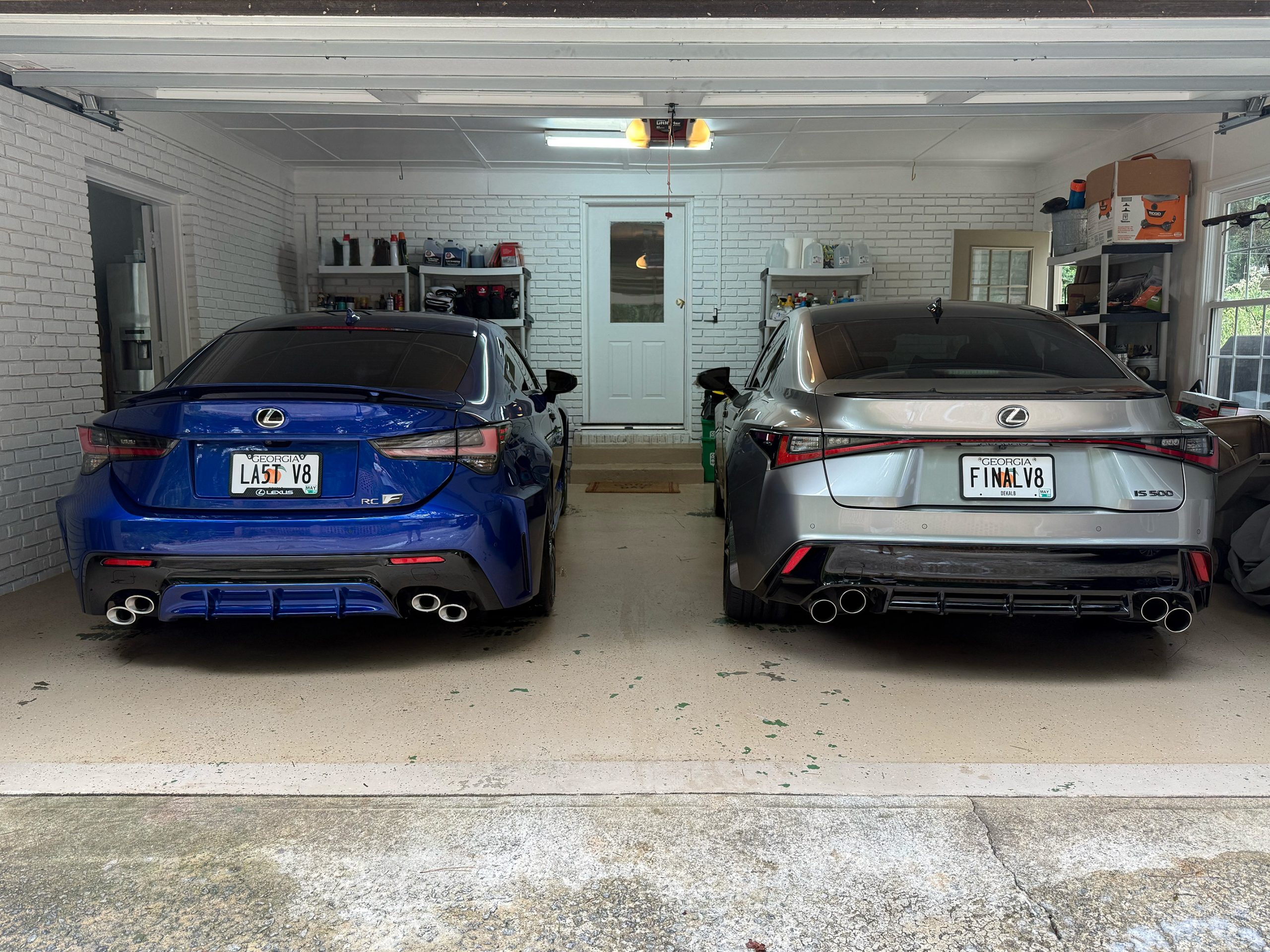
I understand the allure of buying a brand’s highest performance offering, seemingly backed by racing heritage and motorsports wins, obsessing over spec sheets, scouring press releases, and plotting ‘Ring times to see which is fastest. However the reality is most of today’s performance sub-brands are more disconnected, overweight, and removed from motorsports than they ever have been before. Look at the new BMW M5, or Mercedes-Benz’ disaster with the C 63 AMG’s transition from V8 to turbocharged four-cylinder hybrid. Are we buying nostalgia, badges, capability we’ll never use in the real world, or just something we aspired to own? What do we want, and what do we actually need?
While Lexus’ F era is over, the IS F, RC F, and GS F have reputations as being more analog and well rounded performance cars compared to the Germans, but still ultimate expressions of performance by Lexus standards. The IS 500 being one step under the RC F on the pyramid of performance draws natural comparison and owning both an RC F and IS 500 has been an interesting juxtaposition when I think about the things above: badges, bragging rights, and real car ownership.
The RC F is tighter, firmer, more rigid, more aggressive, and at 8/10ths driving and above — where the IS 500 starts to lose grip and confidence – the RC F digs in and begs for more. The RC F’s interior feels more special with carbon fiber trim, alcantara accents, and of course those fantastic F seats. There is something extra about owning an F car.
… but the keys I find myself reaching for more often are those to the IS 500, and I suspect that my habits and local roads are not that different from most people’s.
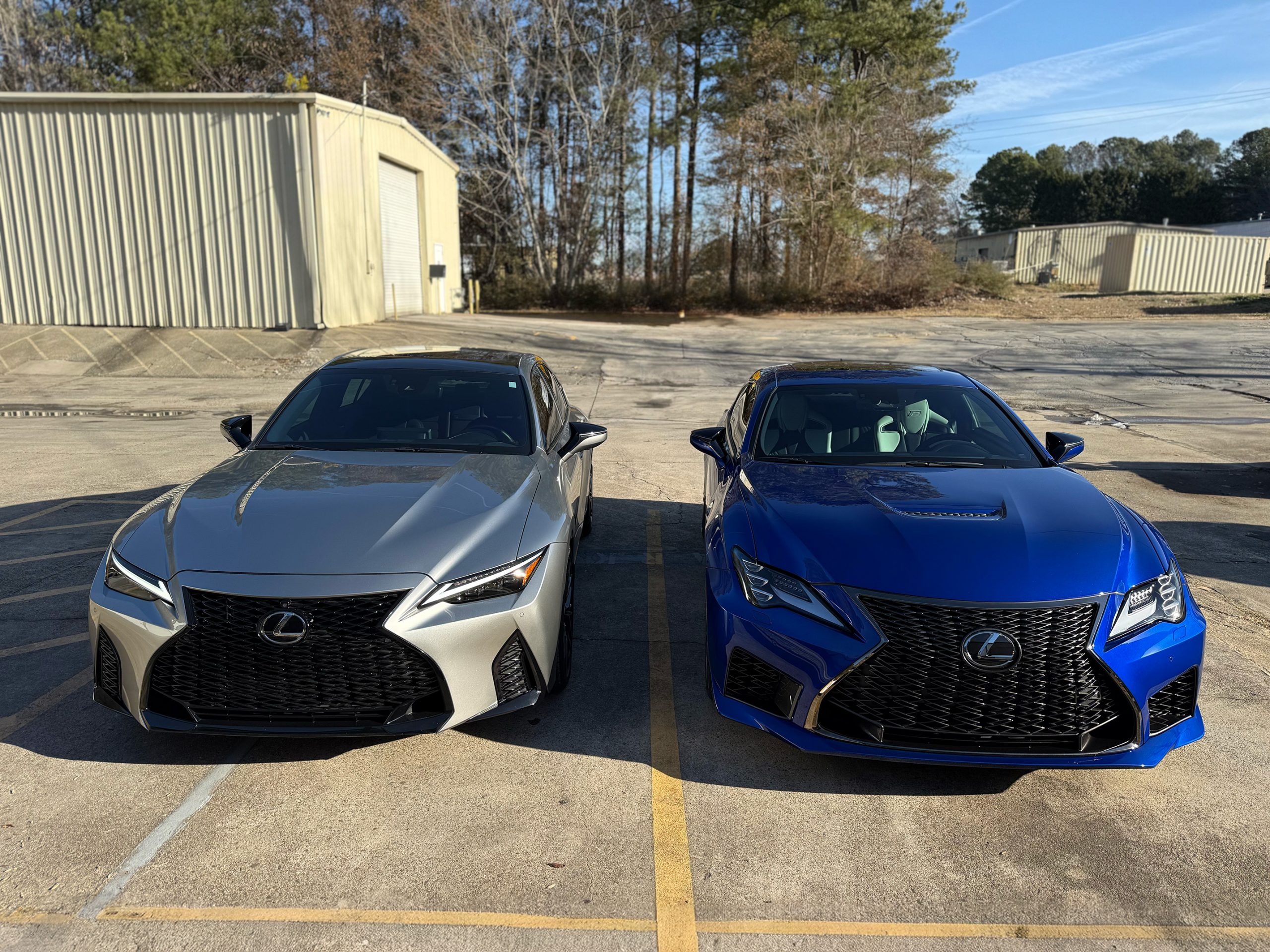
Both cars share the same V8 and the 8-speed automatic, and that powertrain is undoubtedly the heart of both the IS 500 and the RC F. Where I live in Atlanta, our roads aren’t great, to put it lightly. Our highways have broken surfaces and potholes, some streets haven’t seen fresh pavement in over a decade, and for some reason this city’s solution to roadwork is to put 6′ x 6′ metal plates over everything. I commute through the city, on suburban streets, and on the highway regularly.
In this environment and in my daily life, the IS 500 is simply better to live with. It’s easier to get in and out of, more comfortable to drive, has more headroom, packs more modern features like panoramic cameras, the ride soaks up the subpar roads I drive on, and the brakes and hardware are less expensive to replace, but it’s just as fun to toss around due mostly to the shared engine and transmission.
One of the most common criticisms I see from F owners is, “The IS 500 is just an IS 350 with a V8 under the hood,” and while the IS 500 is more than that, I am unsure why some say this intended negatively. Since the third generation IS debuted for 2014, it has been praised as the best – or one of the best – handling cars in it’s class. In fact, this has been an IS hallmark since the very beginning. Where the 3 Series’ steering has gone numb and so many competitors have been discontinued, the IS has always stood out as a legitimately fantastic car to drive. Since when did supplementing that chassis with additional reinforcement, bigger brakes, 161 more horsepower, 115 more lb-ft of torque, and two extra cylinders become a bad thing?
The IS 500 is the only time in recent automotive history where I’ve seen a manufacturer put a larger, more powerful engine in a car… and enthusiasts complain.
We can debate badges and names all day long, but there is a simplicity and approachable charm to the IS 500 that makes it better suited to daily life, while it is 90% as entertaining as the RC F when you want to head to the mountains or flip it into Sport+ and have fun. Where reviewers and spec sheet racers are quick to point out the lack of transmission and oil coolers, bigger brakes, and more aggressive tuning, the margins where they make a difference fade away in real world ownership. It’s that simple.
The RC F makes for a great track or “special occasion” car but the IS 500 is a fantastic all around sport sedan you can enjoy anytime and every day. At the time that I bought my IS 500, an RC F with similar features was about $23k USD more expensive and I cannot tell you it’s worth that premium. There are some things I legitimately like more about the IS 500 and the RC F is fun in its own right as well… but $20k more fun? Probably not.
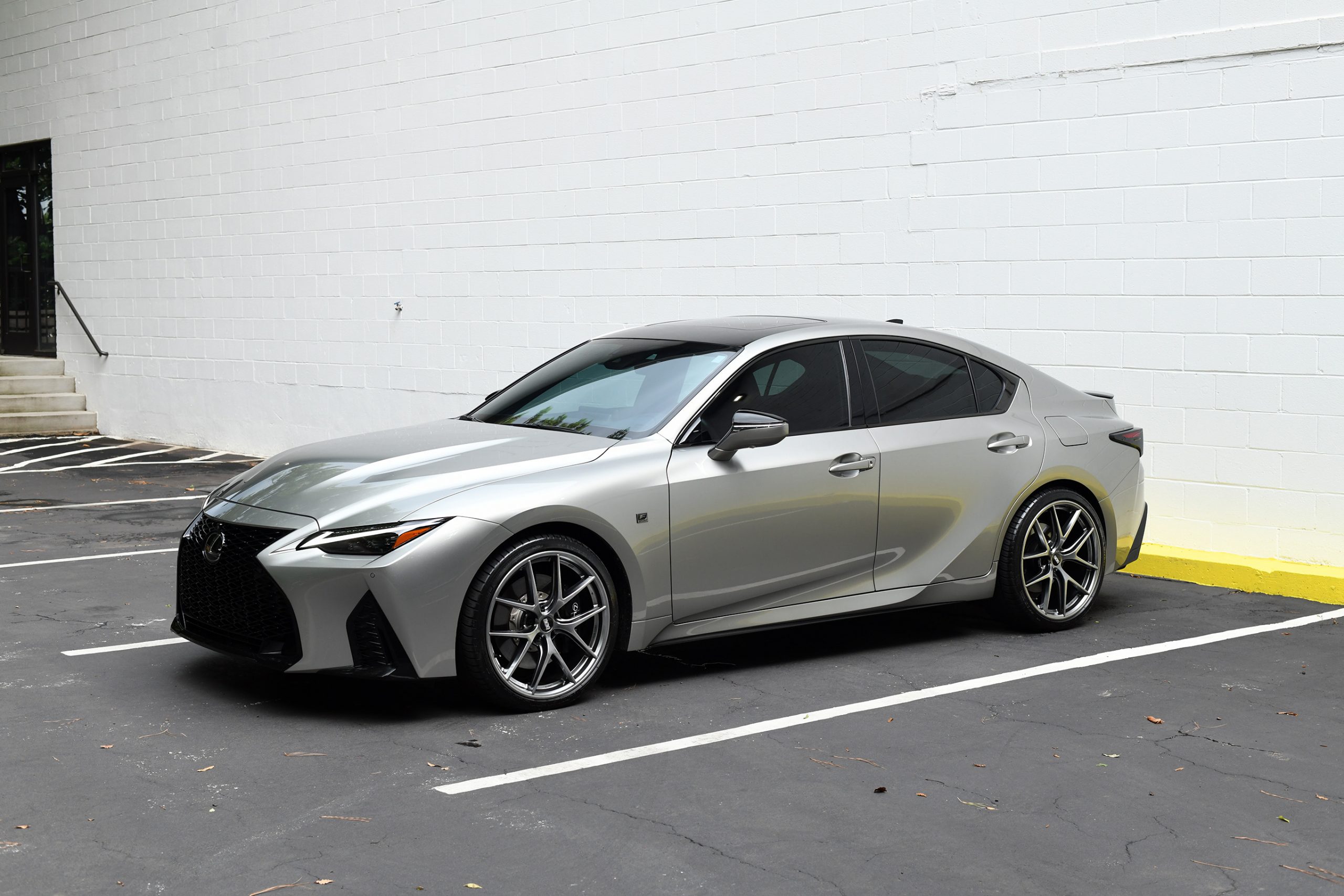
For those wanting an IS 500 closer to F credentials, aftermarket support has been strong and the car has brought thousands of new, young, enthusiast-minded buyers to Lexus. The IS 500 is only $5-7k in tires and wheels, suspension, exhaust, brakes, and coolers away from being much closer to the RC F’s performance if that is what you desire. While it’s a fantastic car out of the box, it’s also proven to be a great platform for owners to modify and personalize.
Your Last Chance Is Now
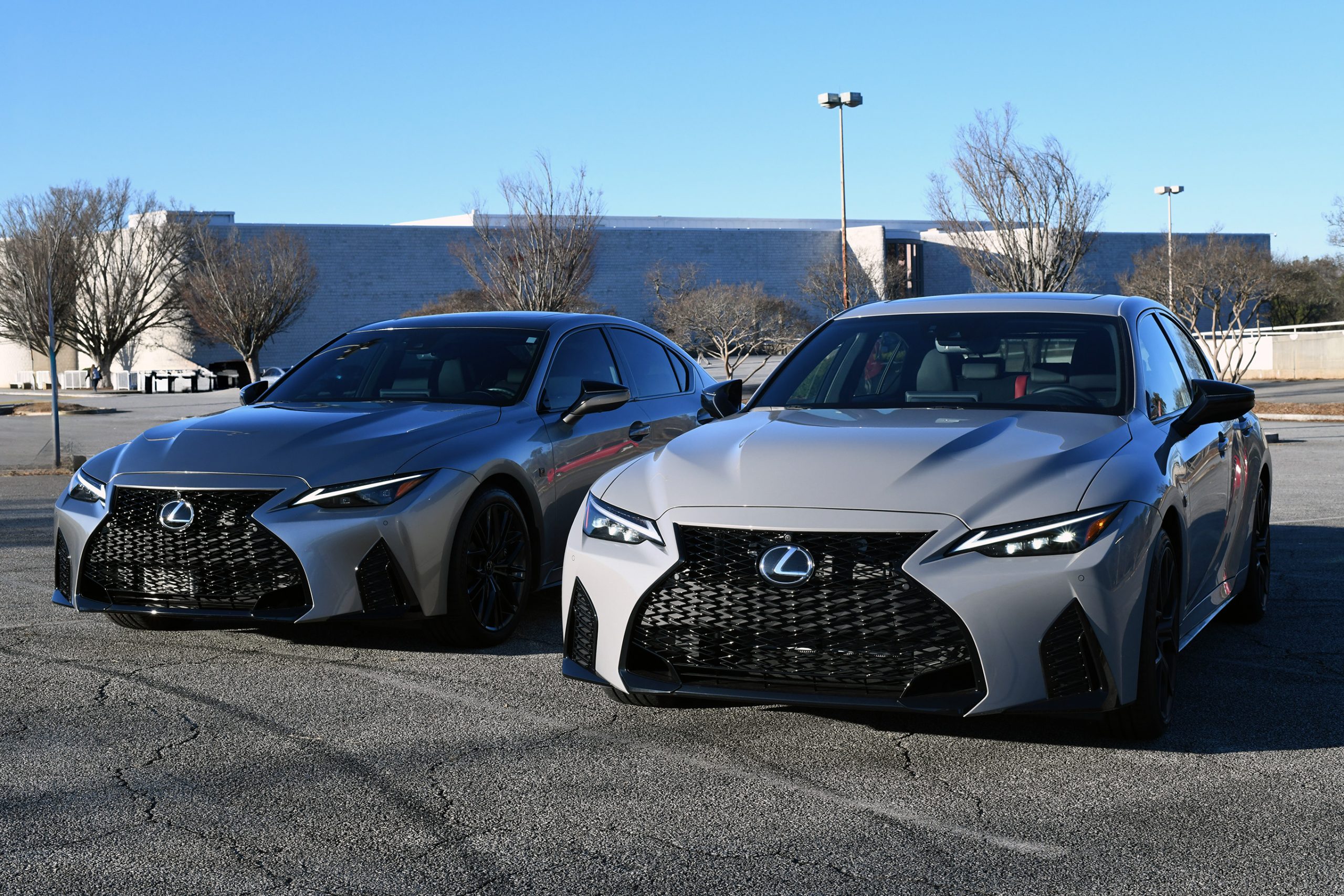
As mentioned above, IS 500 production ended in 2025 with the limited run of Ultimate Edition cars and only a handful of IS 500s remain available at dealerships across the country, but they are still out there.
If you’ve been considering an IS 500, now is the time to act. Once they’re gone, this particular configuration – naturally aspirated V8, rear-wheel drive, compact sedan – will never return to the Lexus lineup.
The future is electric, turbocharged, and hybridized, and the IS 500 is the dying breath of the analog era of sport sedans.