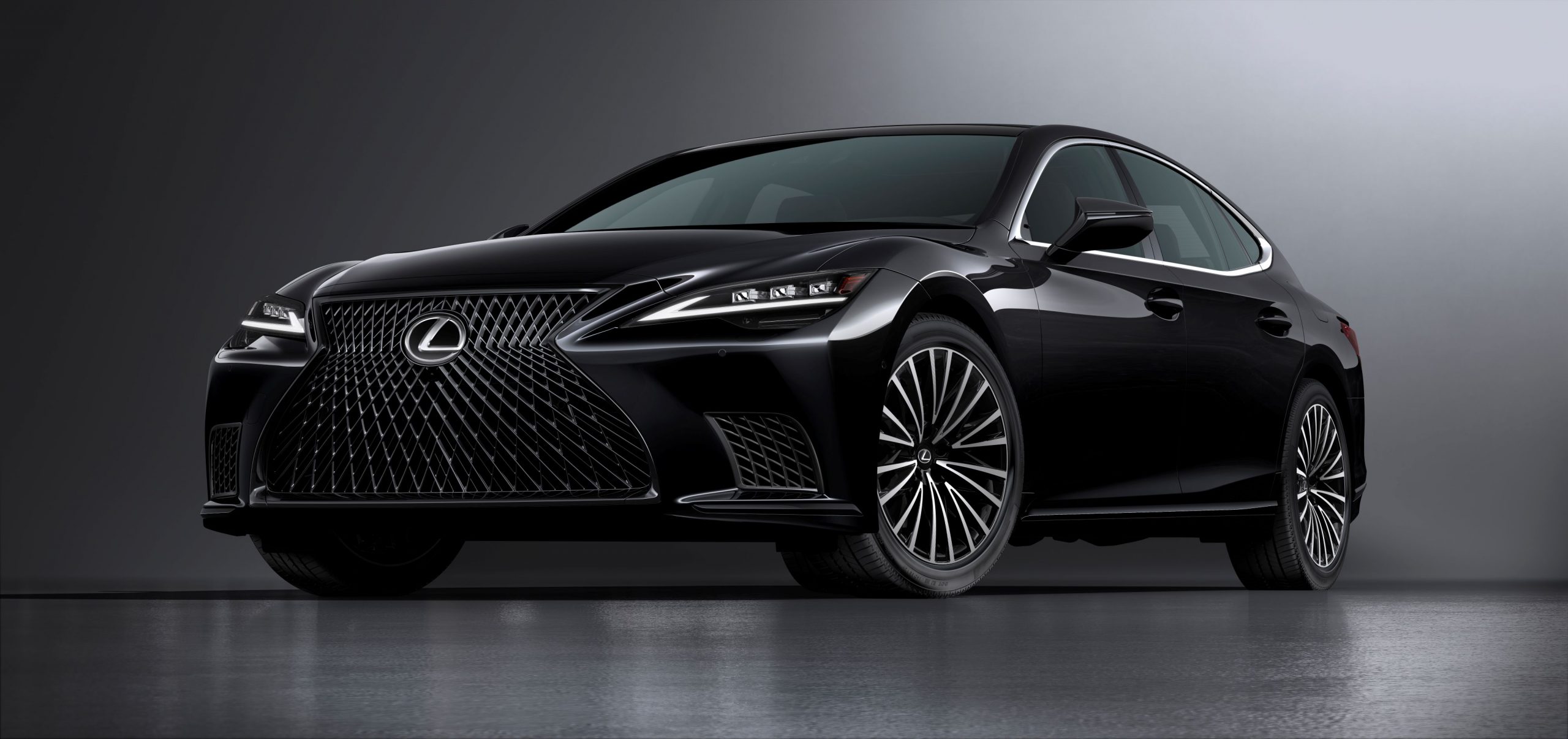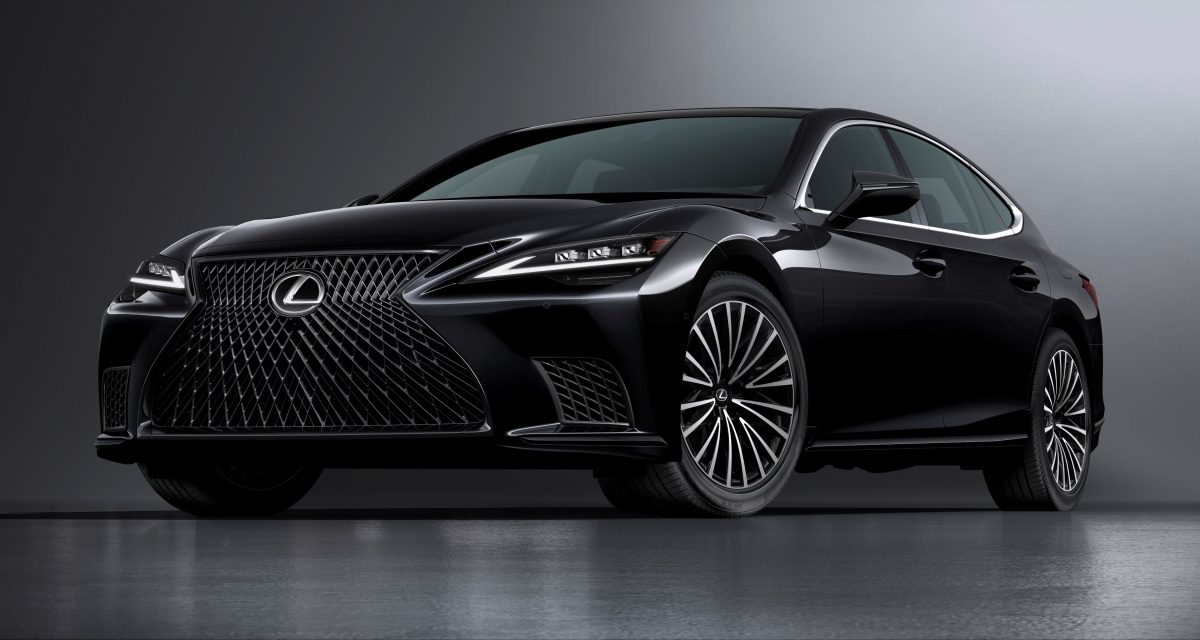

After launching the brand, upsetting an entire category, and challenging the automotive industry’s idea of what a luxury car can be, Lexus has cancelled the LS. It is a defining moment for Lexus as the LS has always been the model most synonymous with the brand — it is, after all, the car that started it all and made Lexus famous for quality, luxury, technology, innovation, and refinement.
The business case for sedans has only gotten harder with each passing year, so perhaps this news is not surprising, but it must be mentioned that Lexus also has not done the LS any favors with keeping the sedan relevant and updated. The fourth generation of the sedan ran from 2006 to 2017 with minor refreshes over the lifecycle, and the fifth generation LS has been on sale since 2017 (as a 2018 model), now marking a 9 year lifecycle with only minor changes. As it stands now, the LS is expensive but lacks the power, technology, and features that other flagship sedans offer.
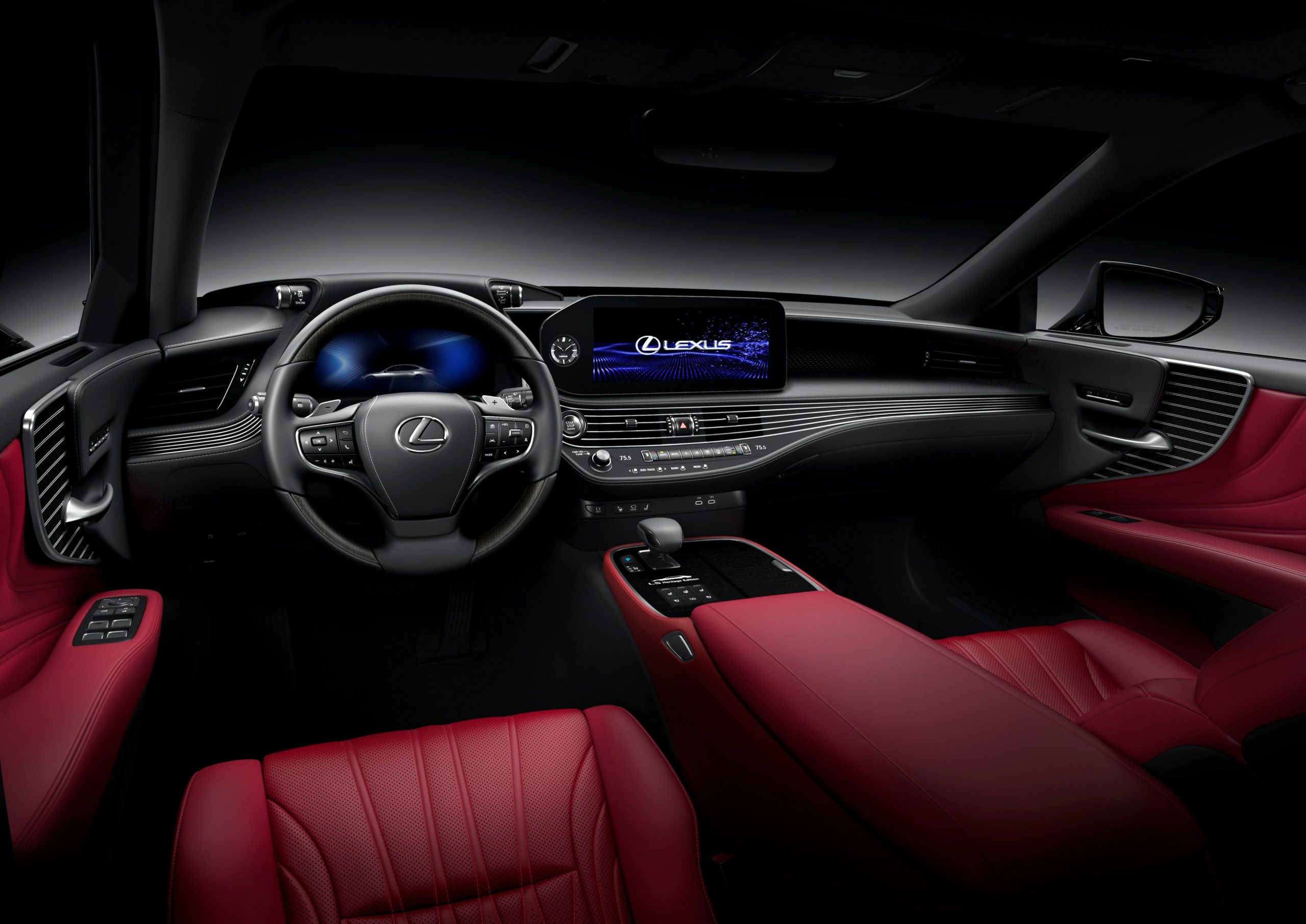
Marking the end of the LS is the Heritage Edition – a mono-spec special edition car with standard all-wheel drive, a new exterior color called Ninety Noir, over an LS-first Rioja Red interior. Only 250 units will be available with a price of $99,280.
Make no mistake about it, this is a sad moment for Lexus enthusiasts. Over the last few years, we’ve seen the cancellation of the GS sedan, RC and RC F coupes, IS 500, F performance brand, and if speculation is true, soon the LC 500 as well. Lexus continues to focus on TNGA-K, front-wheel drive-based vehicles like the ES, NX, and RX, as well as GA-F body-on-frame based SUVs like the GX and LX. Losing iconic models and rear-wheel drive vehicles with dedicated platforms and engines feels like Lexus’ former glory days are slipping away — quickly.