
If you are part of the Lexus enthusiast community or watch the used market for Lexus vehicles, you have probably noticed a specific trend happening over the last few months: Lexus F cars are having a moment.
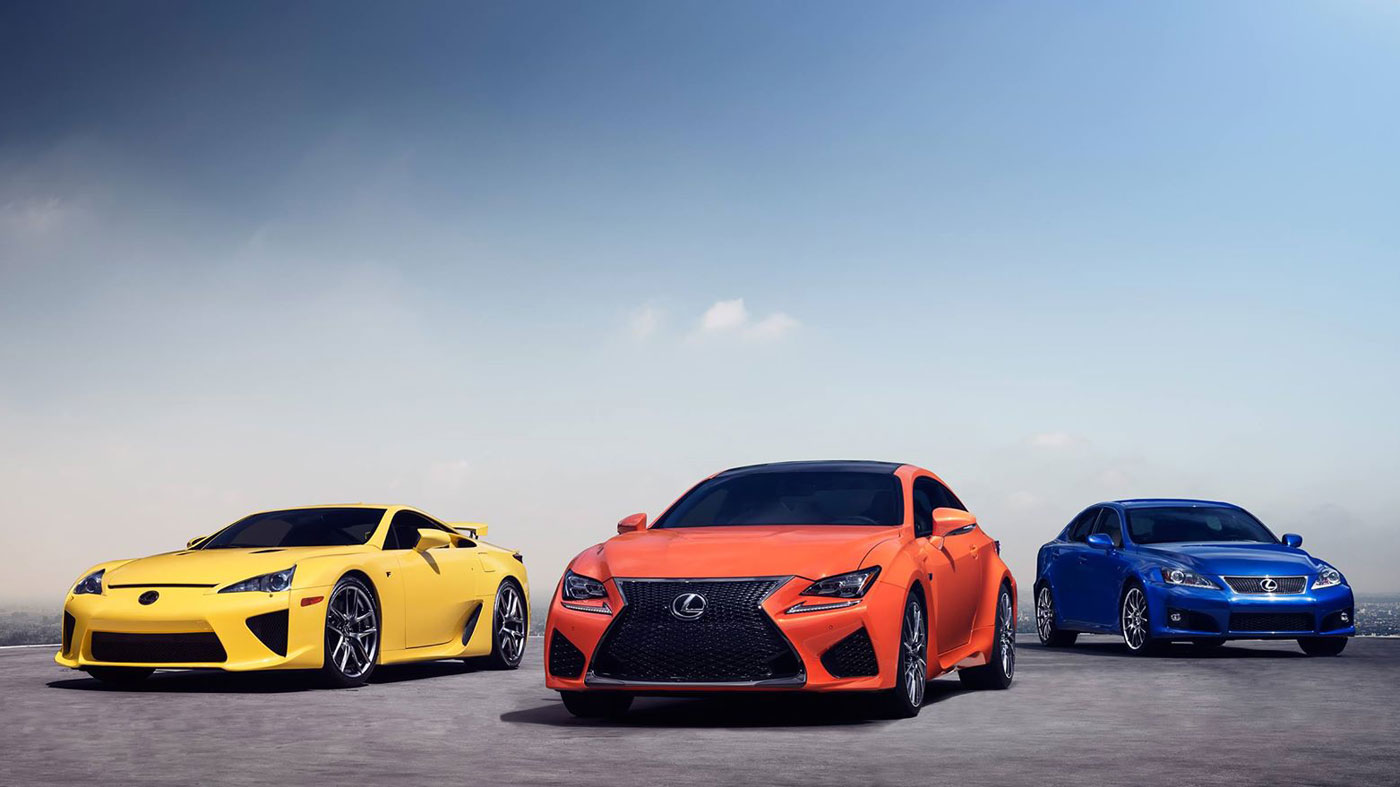
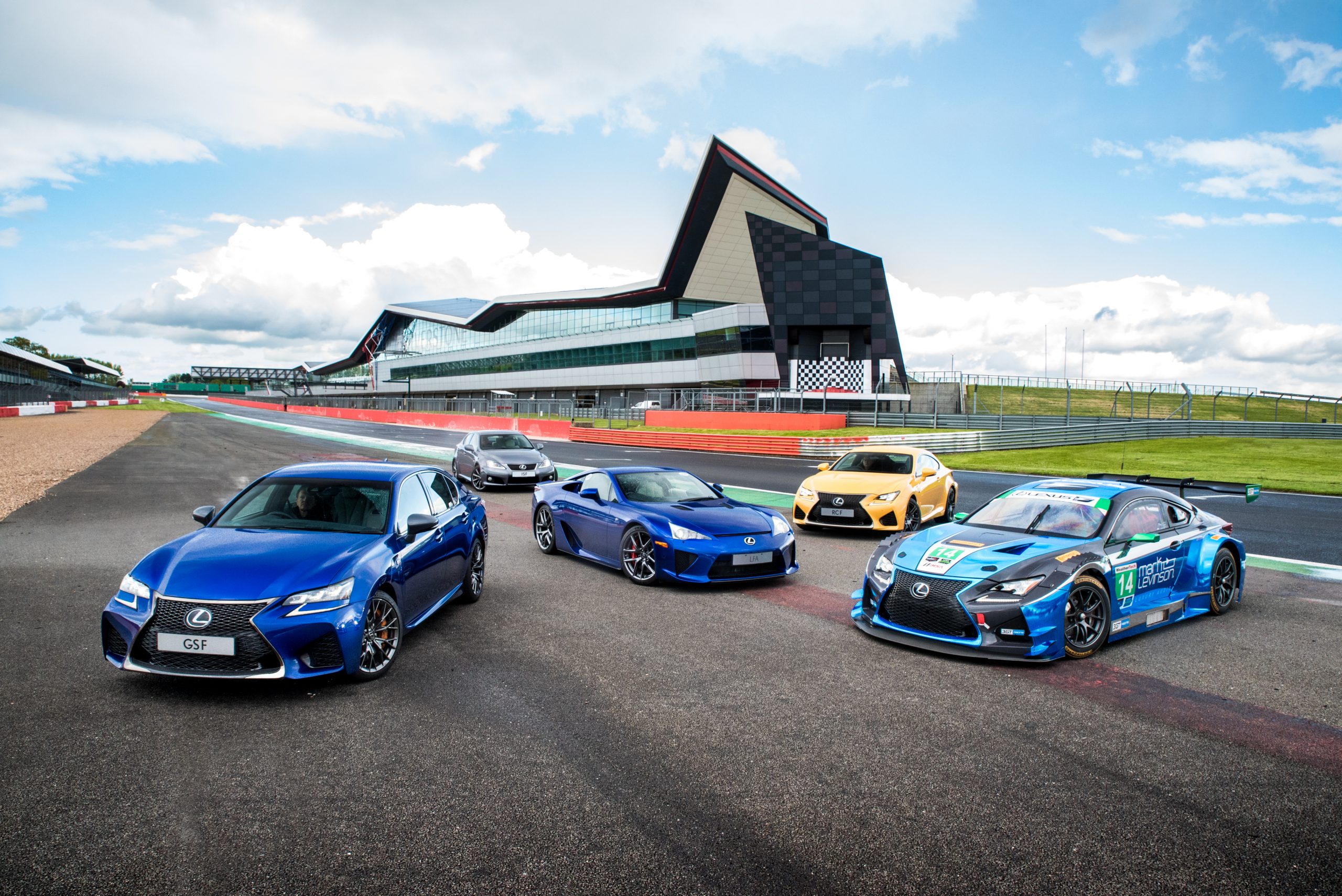
Often dismissed by the automotive press and overlooked by buyers when new, Lexus’ F performance models – the IS F, LFA, RC F, and GS F – are now experiencing a dramatic resurgence in the used car market. Their values are climbing, demand is high, and enthusiasts are beginning to appreciate what Lexus quietly perfected: a uniquely Japanese approach to engineering, Lexus reliability, approachable performance with rev-happy naturally aspirated engines, and an analog level of feedback that’s increasingly sought after when so much of the automotive experience is becoming so digital.
From “Forgotten” to “Favorite”
Each of Lexus’ F performance vehicles has faced a similar trajectory: At launch, they were frequently criticized by reviewers who deemed them underpowered or uncompetitive compared to rivals, dealers struggled to sell them, and enthusiast excitement didn’t necessarily translate into purchases. Yet today, these same models are becoming some of the most sought after vehicles in the used market and are rapidly gaining a cult following. This is not a bubble caused by post-pandemic pricing or panic buying as consumers fear the impacts of tariffs – this trend has been happening for a year or longer depending on the models, conditions, colors, and trims.
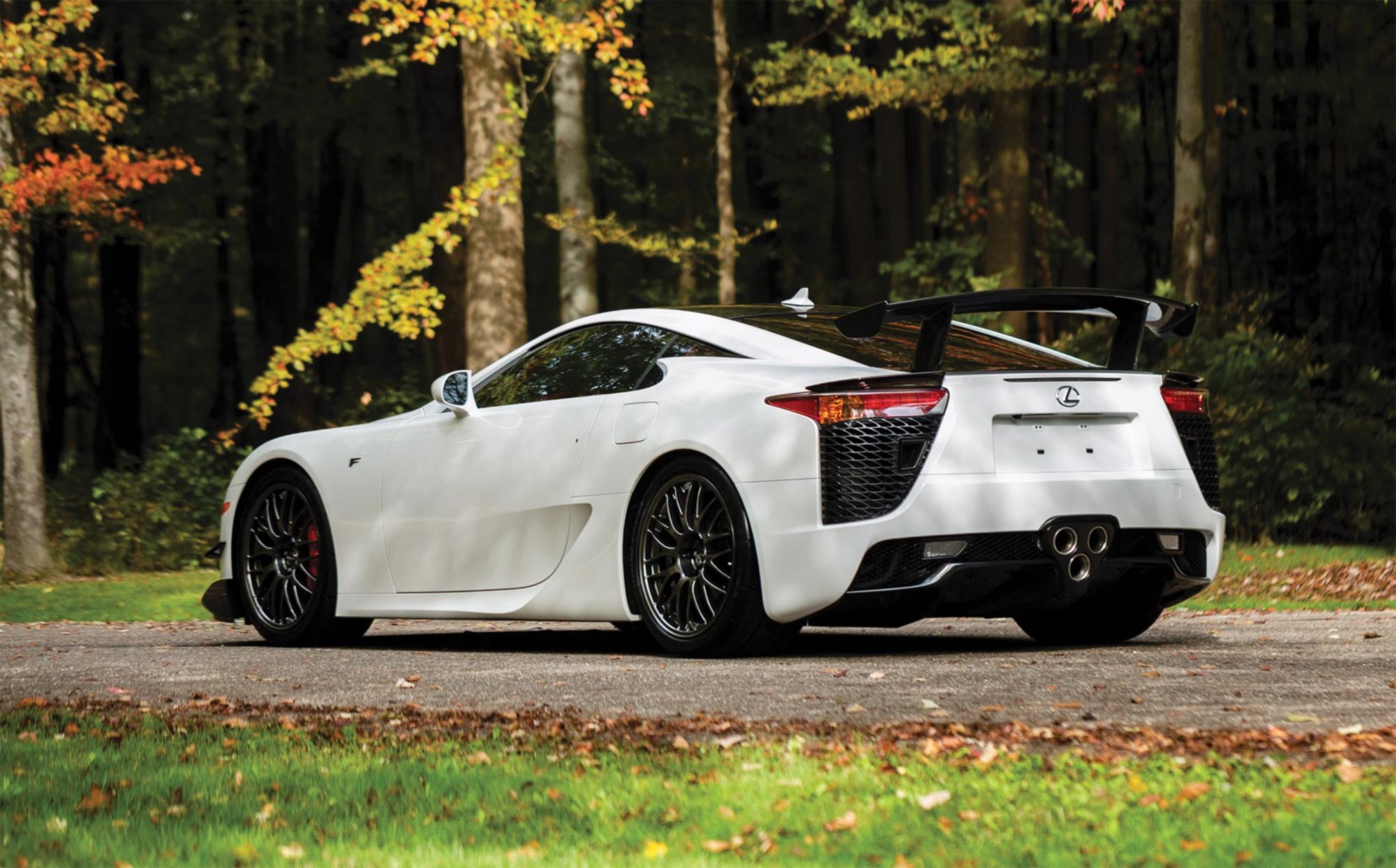
Take the Lexus LFA, for example. Launched in 2011 with a base price of $375,000, the LFA was initially viewed as overpriced and technologically quirky. Its single-clutch transmission was considered slow and clunky, and Lexus struggled to move the limited production run of 500 units with many cars sitting at dealerships for two or three years after production ended.
Now? Auction results show LFAs regularly commanding $700,000 to over $1.6 million for eager buyers, with rare models like the Nürburgring Package fetching the highest bids. Time has revealed what many of us knew in the first place: the LFA’s 1LR-GUE V10 – an automotive masterpiece – is one of the greatest engines ever made and now these cars are now selling for two to four times their original MSRP as enthusiasts race to own a once-in-a-lifetime piece of history.
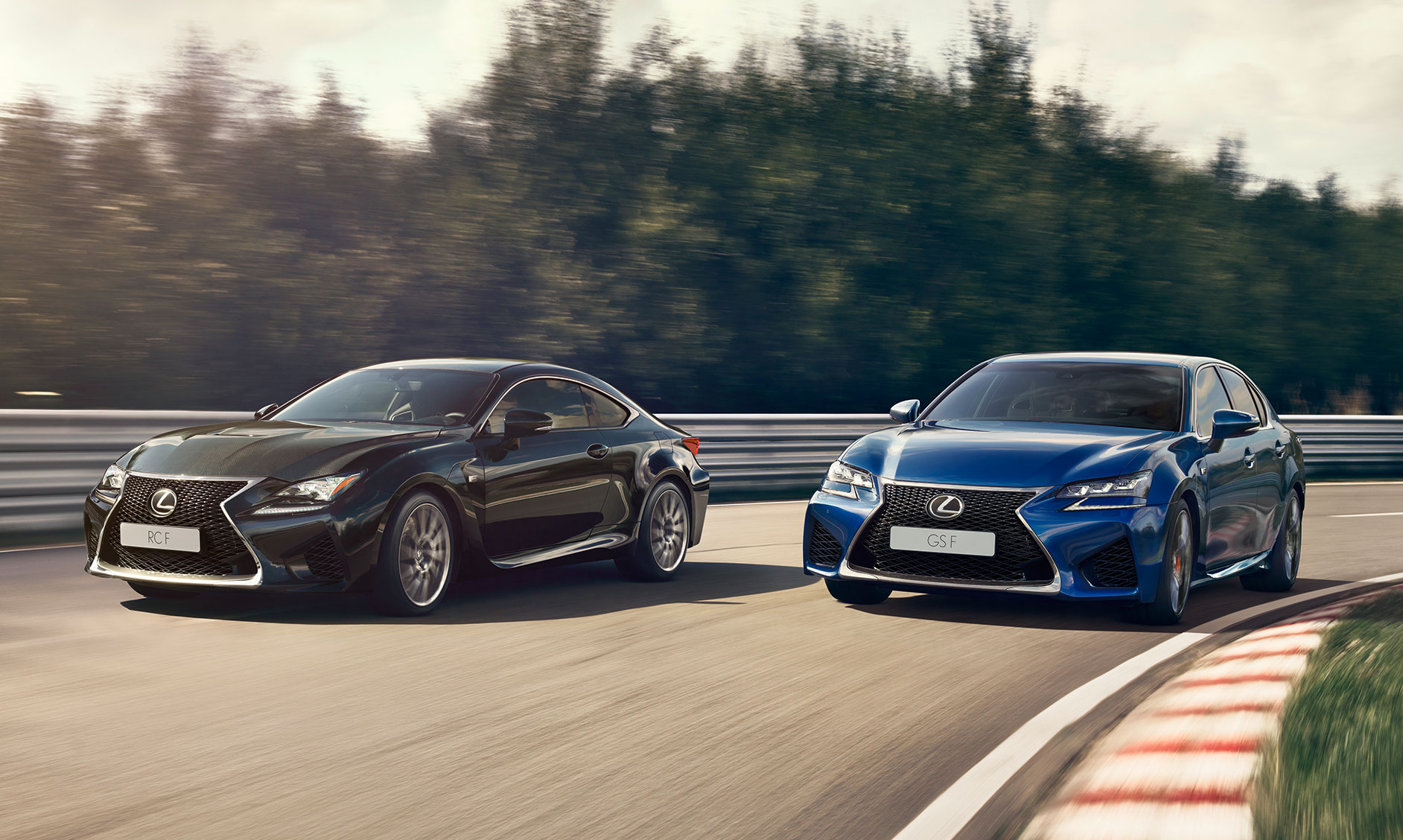
While the LFA is perhaps best known as Lexus’ halo supercar, the GS F and IS F are also experiencing significant increases in buyer interest and demand. Production numbers for Lexus F models were relatively limited, contributing to their exclusivity. For instance, less than 200 units of the 2020 GS F were produced for the U.S. market. Such scarcity enhances their appeal among collectors and enthusiasts who value uniqueness and the potential for appreciation in value.
Special editions, like the RC F Fuji Speedway Edition, further amplify this exclusivity. With only 60 units produced in 2021 and 50 in 2022, these models featured unique paint schemes, carbon fiber components, and other performance enhancements, making them highly sought after in the used market.
The GS F and IS F: Growing Demand
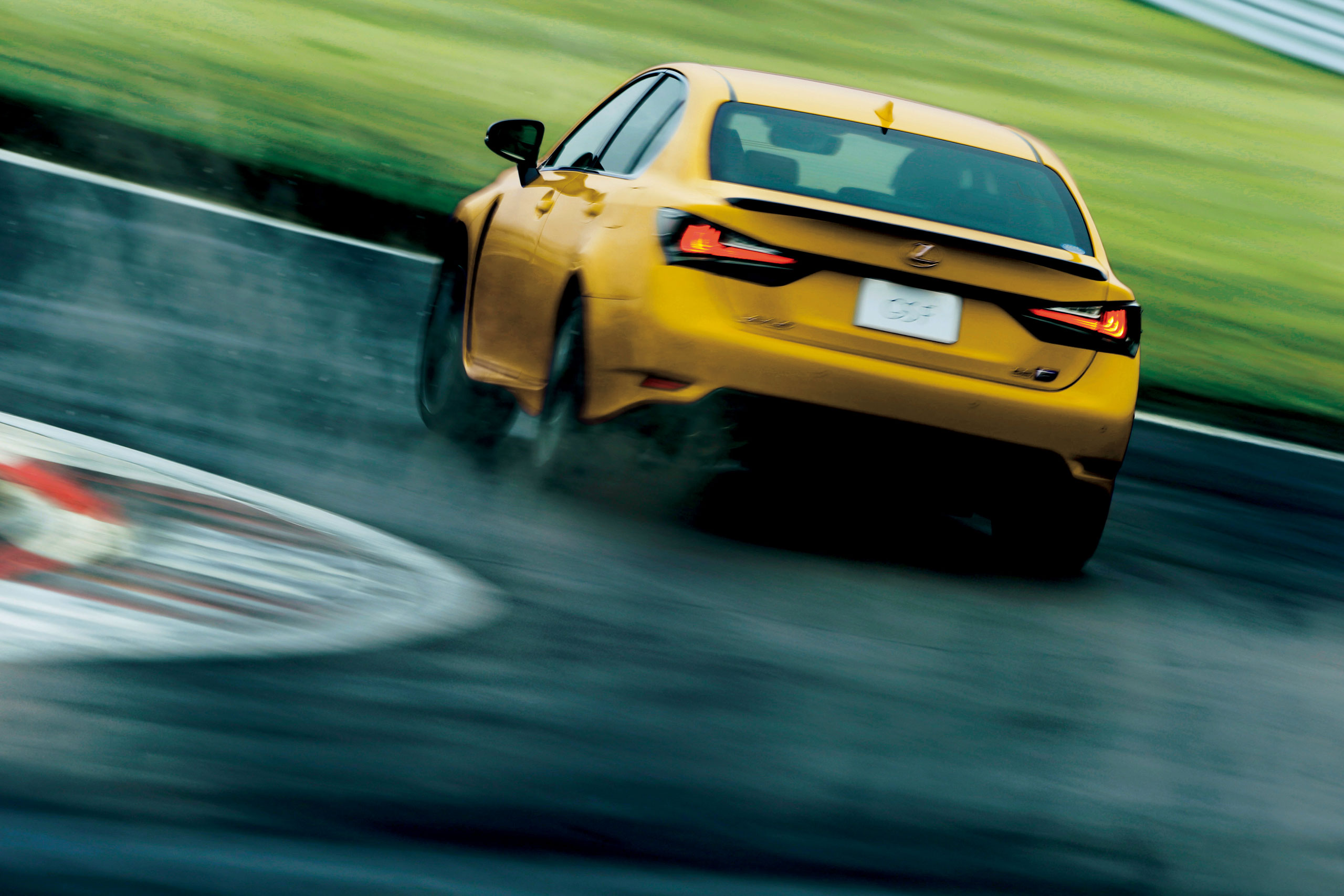
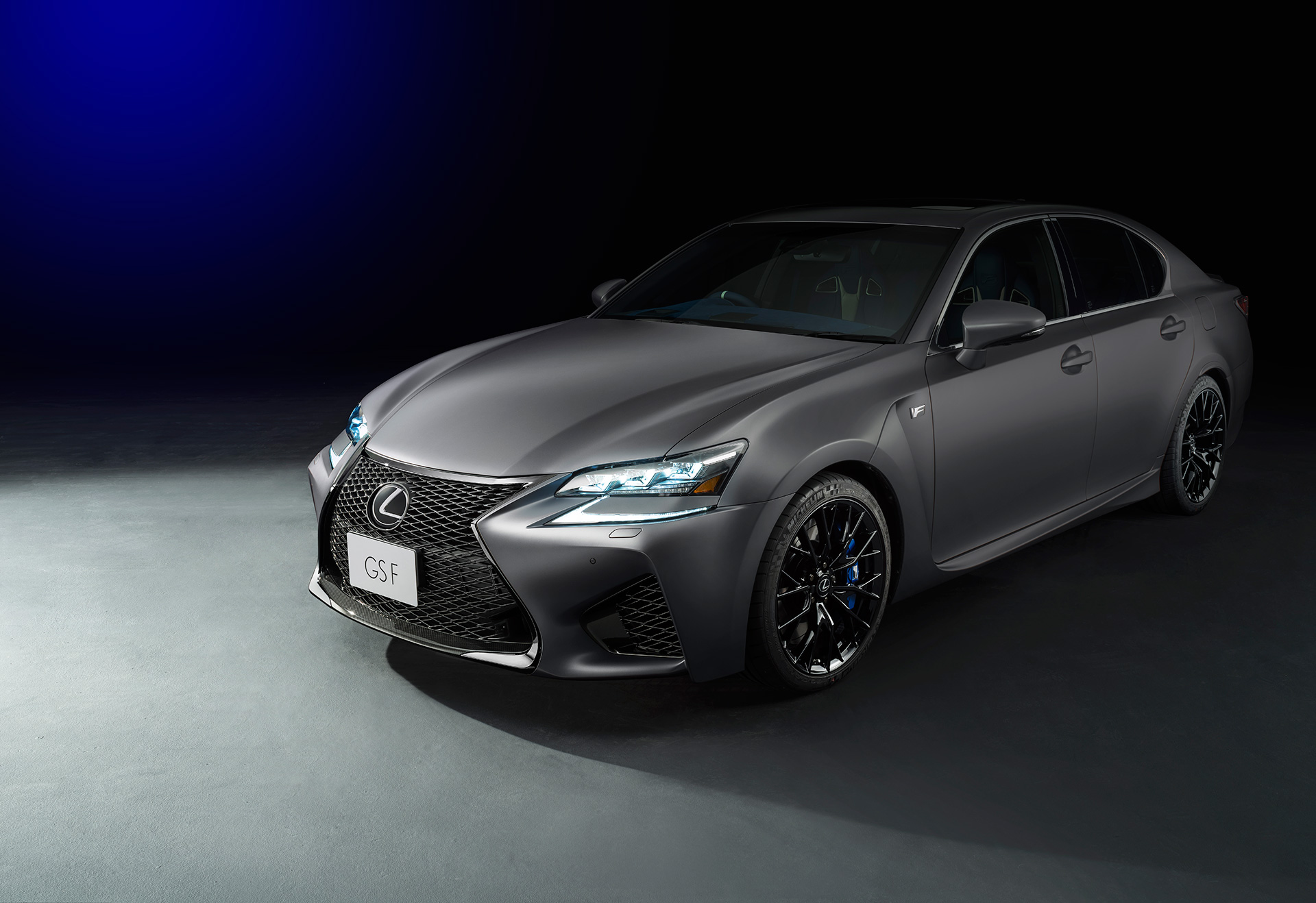
The Lexus GS F has seen a particularly notable spike in both interest and price in recent years. Production ran from 2016–2020, and the GS F was often dismissed for its naturally aspirated engine in an era of more powerful, turbocharged rivals. Yet, this same 5.0L V8 is now one of the most beloved aspects of the car.
Recent listings on Bring a Trailer show clean, low-mileage GS F examples selling for $70,000+, not far off their original MSRP. For example, a 2020 GS F with just under 20,000 miles sold for $73,500, showing that the depreciation curve has flattened significantly—and might even be reversing. Specific color combinations, later model years, or the 10th Anniversary Edition can command significant premiums as enthusiasts clamor for what many consider to be Lexus’ best sport sedan ever produced.
On a recent episode of This Car Pod, Doug Demuro takes a deep dive into the value of used GS Fs compared to M5s, and touches on how the Lexus’ reliability and exclusivity have driven prices to double those of the BMW despite being less powerful and less expensive. Take a watch here as Doug covers not only the GS F, but also the IS F and RC F as well:
Even Lexus first ever F model, the IS F, once available for roughly $61,000 when new, is now consistently selling in the range of $40,000–$45,000 if well-preserved, in good condition, and with lower mileage. That is double the value of comparable M3s, C63s, or RS 4s of the same vintage, illustrating just how much market tastes have shifted to favor Lexus performance cars.
Why the Surge in Value?
Several key factors explain why Lexus F models have become hot commodities:
-
The last of a dying breed: As automakers move towards hybrid and EV powertrains, the naturally aspirated 5.0L V8 in Lexus F cars stands out as one of the last great internal combustion engines. It offers high-revving power, unmistakable sound, and old-school charm—things that modern turbocharged engines and EVs simply can’t replicate.
-
Legendary reliability: While many German performance cars are known for expensive upkeep and maintenance woes over their ownership, F cars benefit from Lexus’ bulletproof reliability and can be enjoyed for years without fear of costly repair bills.
-
Timeless engineering: Though not the fastest on paper, Lexus F models offer a more analog, balanced experience that many owners and drivers have come to favor over all-out power. The 5.0L V8 has proven to be reliable with bolt-on modifications and has expanding aftermarket support, appealing to owners who want to extract more performance through aftermarket modifications.
-
Rarity and exclusivity: Lexus produced and sold these cars in limited numbers meaning there are simply less of them available, so for collectors, low supply and rising demand create an ideal appreciation scenario. Special editions, later production years, and unique color combinations continue to fetch higher prices.
-
Japan’s premier performance line: Unlike Acura’s Type S, Infiniti’s Project Black S or RedSport, or other Japanese attempts, Lexus’ F is widely regarded as the most successful Japanese performance effort, staking its claim in a segment long dominated by Europe. Lexus is also the only Japanese luxury brand to have produced a broader lineup of performance vehicles similar to Mercedes-Benz AMG, BMW M, and Audi S/RS models.
-
An uncertain future: Each of Lexus’ F models has been a one-and-done generation with no successor, and unless there is a new model announcement coming soon, it looks like the F brand will be put out to pasture when the RC F ends production this year. This means the IS F, LFA, GS F, and RC F will become automotive history marking a time when Lexus was committed to building performance cars that were good enough to rival the best from Europe… and that may never happen again. We don’t know what the future holds, but Lexus may never have another era like the F era.
Carrying The Torch: RC F, LC 500, and IS 500
While the LFA, IS F, and GS F are icons in Lexus’ history, there are three other vehicles that are still carrying the torch, albeit for a short amount of time: The RC F, LC 500, and IS 500. While the LC 500 and IS 500 are not “full F” vehicles and lack some of the performance hardware to make them as such, they do both have the 5.0L 2UR-GSE V8 that has made the IS F, RC F, and GS F so iconic and desirable. Will history reflect upon them as fondly?
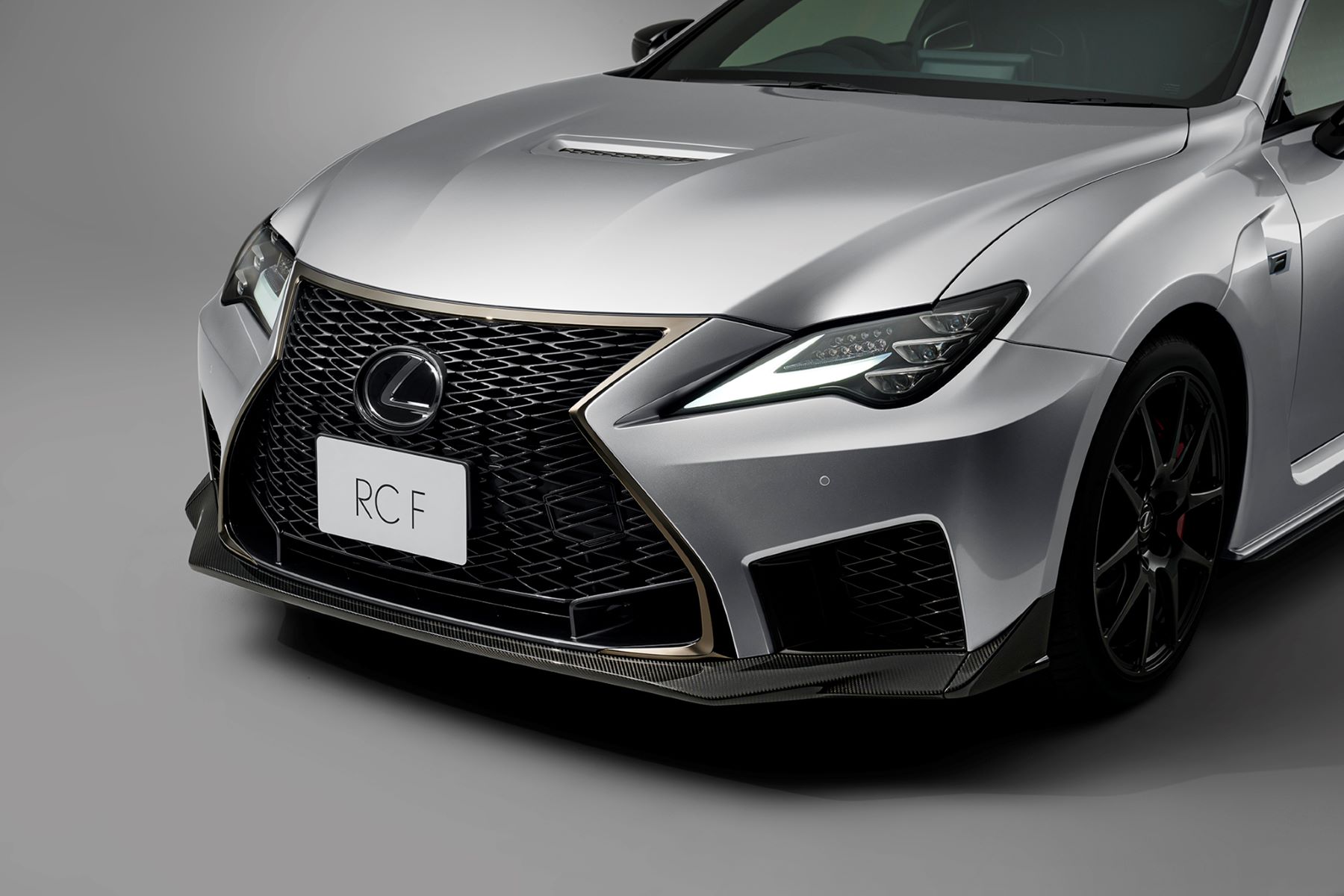
The RC F is the last new F car available for purchase and will cease production this year with the Final Edition. Short of an unexpected new model announcement, it appears Lexus’ entire F brand will be retired along with the RC F later this year making it the last F car ever produced.
Introduced in 2015, the RC F wasn’t an immediate media darling, and not unlike other Lexus F cars, it was criticized for being heavy and lacking a turbocharged powertrain. If its lack of turbochargers first made the RC F unpopular, its naturally aspirated V8 would later become one of the coupe’s most desirable selling points. Aside from the Ford Mustang GT, the Lexus RC F is the last front engine, rear-wheel drive, V8 performance coupe available on the market in 2025. Lexus made several tweaks to the RC F’s suspension and transmission tuning over its lifecycle and also released numerous special editions like the Fuji Speedway Edition, Track Edition, and now the Final Edition which will be sought after by collectors.
If history repeats, the RC F should follow in the footsteps of the IS F and GS F and see strong enthusiast demand for well kept, low mileage examples – especially for special editions and highly desirable color combinations. Once production ends later this year, we will begin to see how prices and interest change.
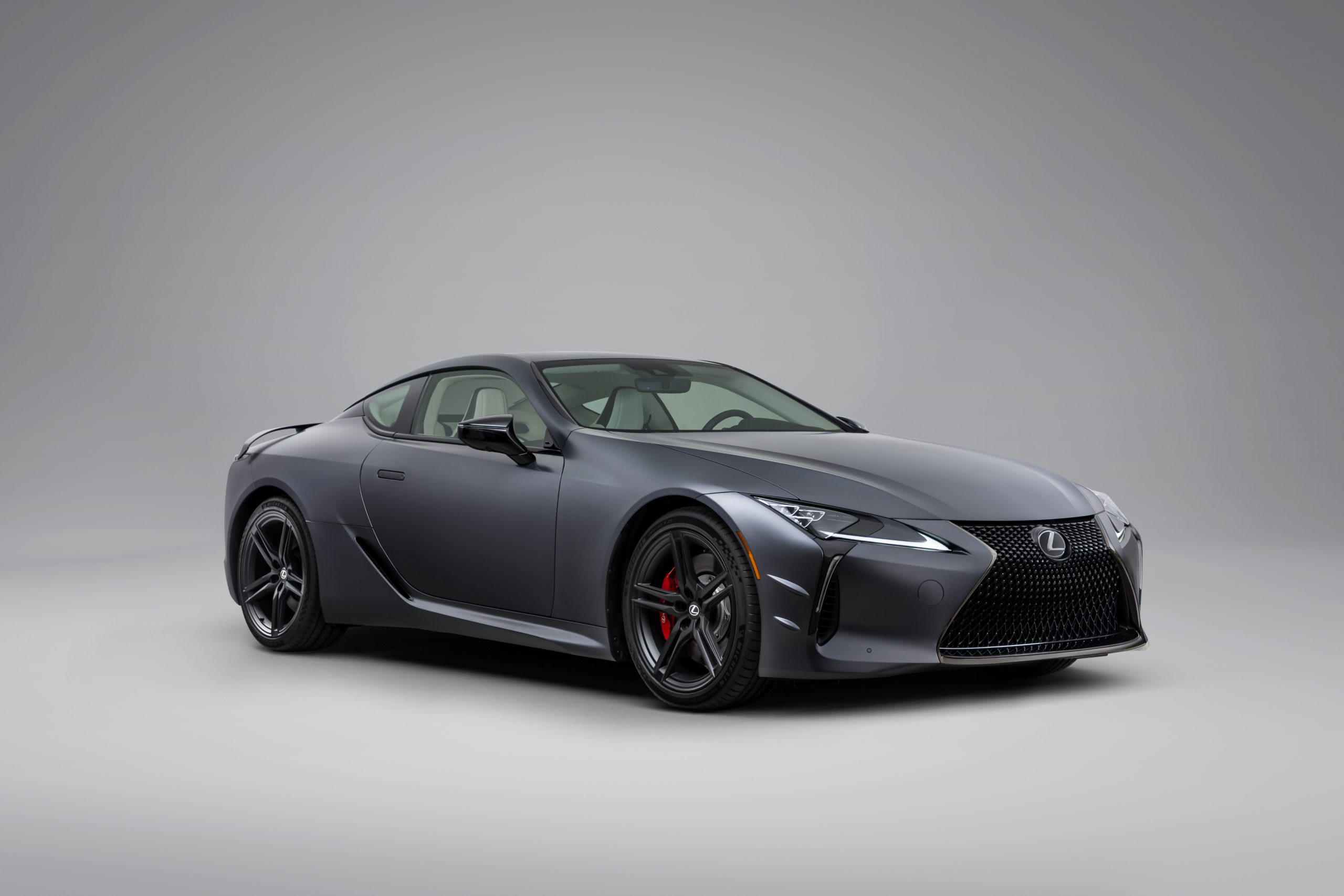
The LC 500 will undoubtedly be regarded as one of Lexus’ all-time best products, and a car that needs no introduction or summary. Starting with the 2012 LF-LC Concept and then making production as the 2018 LC 500, this is one of the best grand touring coupes in history and one of Lexus’ most impressive, emotional vehicles. It’s also the only Lexus vehicle to match the 5.0L V8 with the 10-speed automatic, which is undoubtedly this engine’s best transmission: It’s faster shifting and has shorter gears than the 8-speed automatic on all other applications of the 2UR-GSE V8. The LC 500 is stunning and dramatic to drive, behold, and own.
With the 2026 Pinnacle and Inspiration Editions, Lexus seems to be winding down production of this model as well.
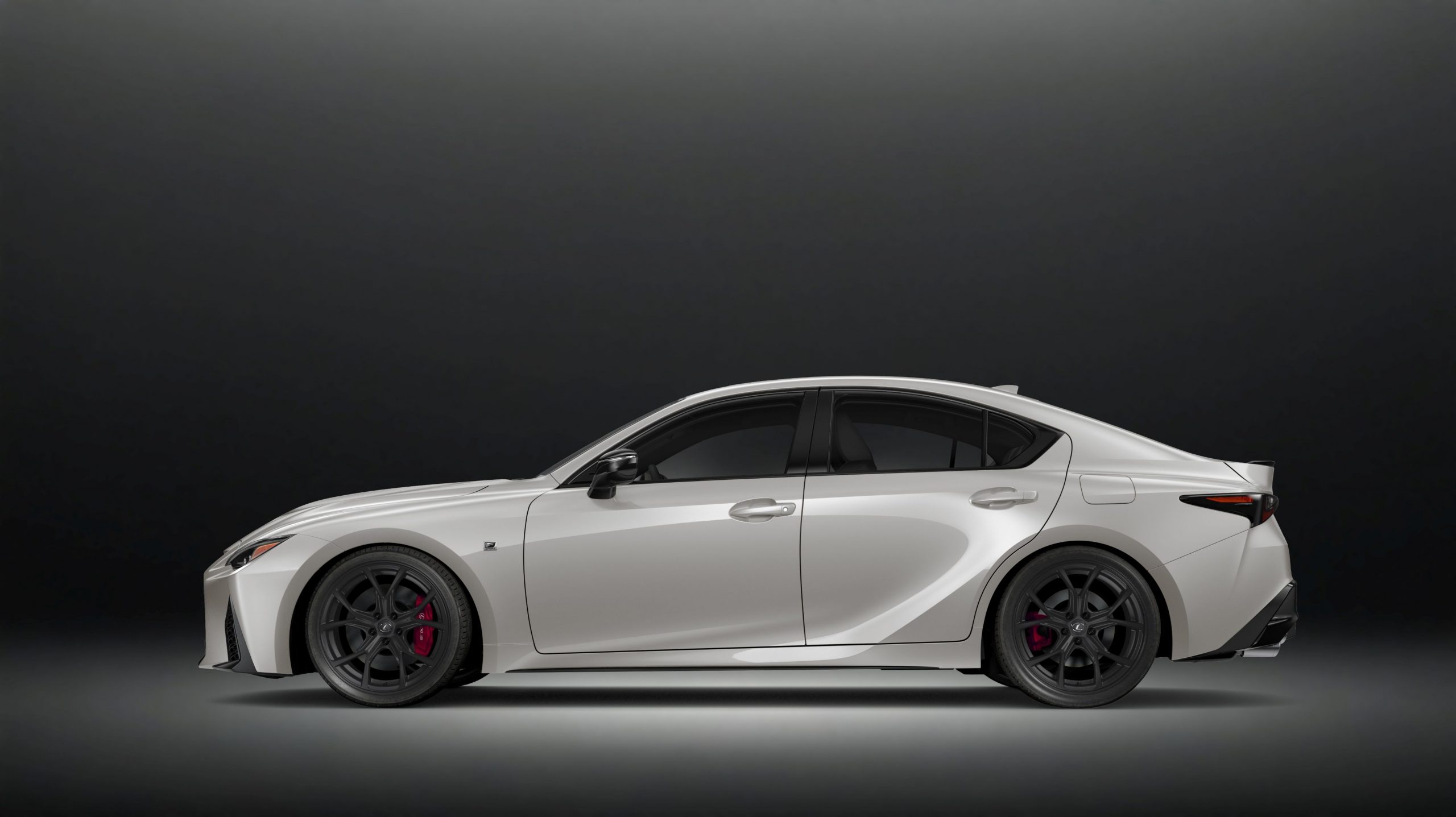
The IS 500 launched Lexus’ mid-tier performance trim – F SPORT Performance – and brought the 5.0L V8 back to a compact sedan package in the spirit of the original IS F. While enthusiasts debate what makes a “real” F car in comparison to an F SPORT Performance vehicle, the IS 500 has found its niche with buyers and enthusiasts and is the only V8-powered vehicle in its class.
The IS 500 brought much of what buyers loved about the RC F and GS F into a more modern, updated package over its production run from 2022 to 2025. What the IS 500 provided in updated, handsome looks and technology, it gave up in raw performance as the car was not sold with engine or transmission coolers and much of the other performance hardware “full F” models had as standard. Even so, the IS 500 brought Lexus’ amazing 5.0L V8 to a new generation of enthusiasts and in fairly low production numbers. Each year of IS 500 production had a special edition as well, starting with the original Launch Edition and now ending production with the Ultimate or Climax Editions depending on markets.
The End of an Era
The resurgence of Lexus’ F cars in the used market proves that quality, character, and engineering excellence often take time to be recognized. Lexus F models might have started their lives as misunderstood underdogs, but history has vindicated each of them.
In a world where battery propulsion is becoming the norm and reliability is often sacrificed at the altar of performance, Lexus’ F cars have offered a compelling alternative and a limited view into Lexus’ short window of building internal combustion-powered, European-rivaling performance cars. Whether it’s the glorious wail of the LFA’s V10, the IS F that started it all, the daily drivability of the RC F, or the sleeper charm of the GS F, each of these vehicles has carved out a niche in the enthusiast world… it just took some time.
As we reflect on the IS F, LFA, and GS F but also turn the page on the RC F, LC 500, and IS 500 in preparation of Lexus’ plans to be fully electric, it becomes increasingly clear that these are special once-in-a-lifetime vehicles that won’t ever be replicated but will certainly be missed once they are gone for good.