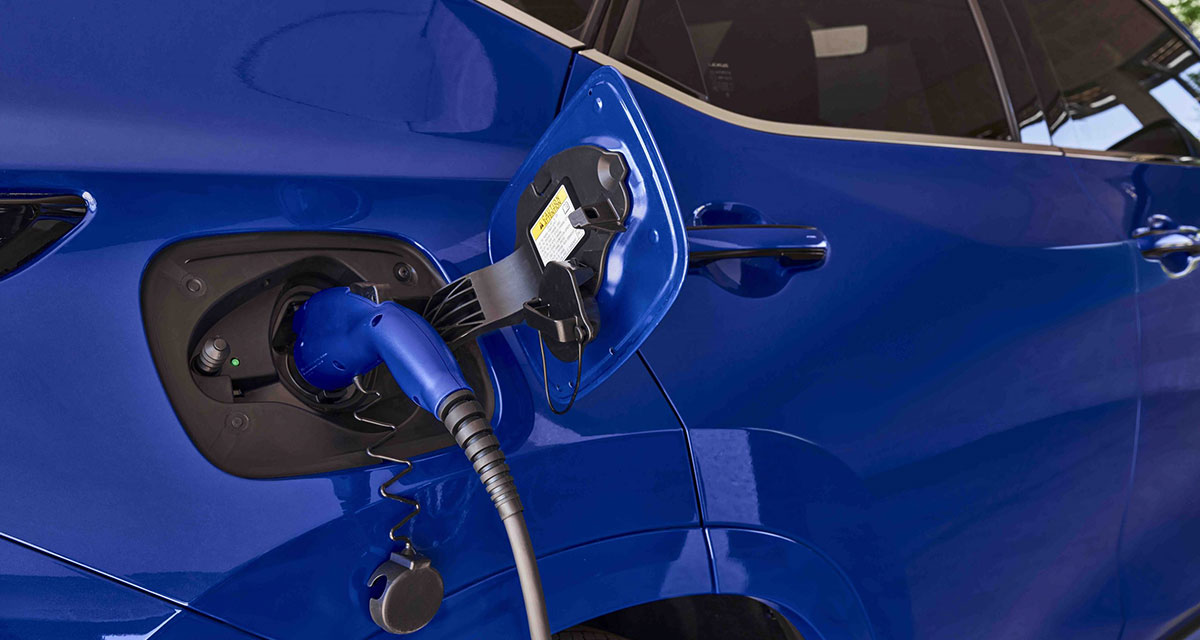

-
A December 2021 brand announcement declared Lexus’ lineup would be entirely electric by 2030
-
In the four years since, consumer demand for BEVs has changed greatly, notably dropping in 2024 and 2025
-
Lexus offers a diverse mix of HEVs and PHEVs – is a multi-powertrain lineup the way of the future?
In December 2021, Lexus made a stunning announcement that surprised the automotive world: the brand would go fully battery-electric in North America, Europe, and China by 2035.
Four years later, with just five years remaining until that deadline, it’s time to ask: Is this ambitious goal still achievable? More importantly, is it still the right strategy?
When Lexus president Koji Sato stood alongside Toyota president Akio Toyoda in 2021 to unveil their electrification vision, the moment felt both revolutionary and incredibly ambitious. They presented thirteen concepts and production models, including an electric LFA successor, multiple sedan concepts, and a complete reimagining of the brand’s future. The message was clear: Lexus was going to lead Toyota’s charge into the electric future… but the years since have told a very different story.
Dramatic Shifts in EV Interest
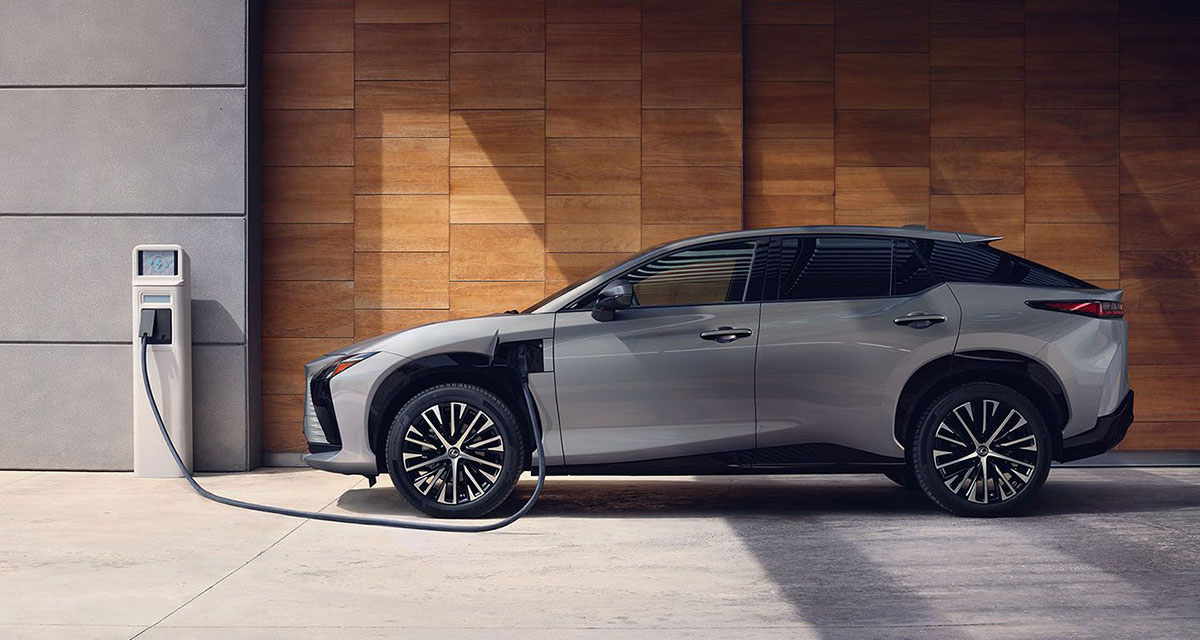
When Lexus made its bold 2030 proclamation, electric vehicles were experiencing explosive growth but the automotive landscape has shifted considerably since then. While global EV sales continue to grow in absolute numbers, the rate of that growth has slowed significantly, and in some markets, pure battery-electric vehicles have actually lost market share.
In the United States, battery-electric vehicles saw their market share decline for the first time in early 2024, dropping from 8.1% in Q4 2023 to 7.0% in Q1 2024. By 2025, the story hasn’t improved much – Q2 EV sales were down 6.3% year-over-year, even with record-high incentives averaging nearly 15% of the vehicle’s price. That’s not a sign of healthy, organic demand.
The challenges are multifaceted: concerns about charging infrastructure, anxiety over driving range, higher upfront costs compared to gasoline and hybrid alternatives, and uncertainty around government incentives. Perhaps most telling is the rise of plug-in hybrids and traditional hybrids, which have been growing faster than pure EVs in many markets. In China, which represents 60% of global EV sales, plug-in hybrids (PHEV) are now driving more growth than pure battery electric models.
Some manufacturers have completely reverted course and announced the retirement of EV models and projects in favor of new internal combustion platforms and engines. Scores of EVs have been discontinued due to slow sales and weak demand while consumers prioritize pure internal combustion, hybrid, and plug-in hybrid models. Lexus’ own all-electric RZ has been a tough sell, sitting on lots for months at a time with aggressive lease rates while the NX 350h, NX 450h+, RX 350h, and RX 450h+ still have waiting lists years into production.
What once looked like an unstoppable upward trajectory for EVs in 2021 now looks like a scatterplot of ups and downs as many buyers move away from pure electric models.
Surging Demand For Lexus Hybrids and Plug-In Hybrids

Looking at the current Lexus lineup, the brand has clearly doubled down on electrification – just not in the way they originally promised with fully electric models. As we move into the 2026 model year, hybrid powertrains have become the standard across nearly the entire range: The ES, LBX, UX, RX, TX, GX, and even the flagship LX and LM all offer hybrid variants. The IS 300h is available in select markets, and the LC 500h was discontinued for the 2026 model year.
Lexus customers are responding with overwhelming enthusiasm: Lexus sold 123,035 electrified vehicles in 2024, up 34.4% year-over-year, representing 35.6% of total sales. The numbers tell an even more compelling story when you look at specific models. The TX hybrid saw sales surge 249.2% in 2024, while the RX hybrid alone accounted for over 40% of all Lexus hybrid sales in Q1 2025.
Perhaps most telling: Lexus ended every month except June with single-digit days’ supply of vehicles in the first half of 2025, with June reaching only 11 days. To put that in perspective, the industry average was 74 days last year. All of the top 10 fastest-selling SUVs in November 2025 are Toyota or Lexus models. Lexus hybrids aren’t sitting on dealer lots — they’re flying off them. In some markets dealers reported having no hybrid inventory at all, with zero incentive to discount because demand so dramatically outpaces supply.
This shift toward hybrids represents a pragmatic pivot, one that acknowledges market realities rather than ignoring them: Buyers want electric, but they want gas too… and they want them together in the form of hybrids and plug-in hybrids. If Lexus is to follow the business case, it’s clearly in a multi-powertrain strategy prioritizing hybrids and plug-in hybrids rather than only pure battery options.
The Business Case For A Multi-Path Powertrain Strategy
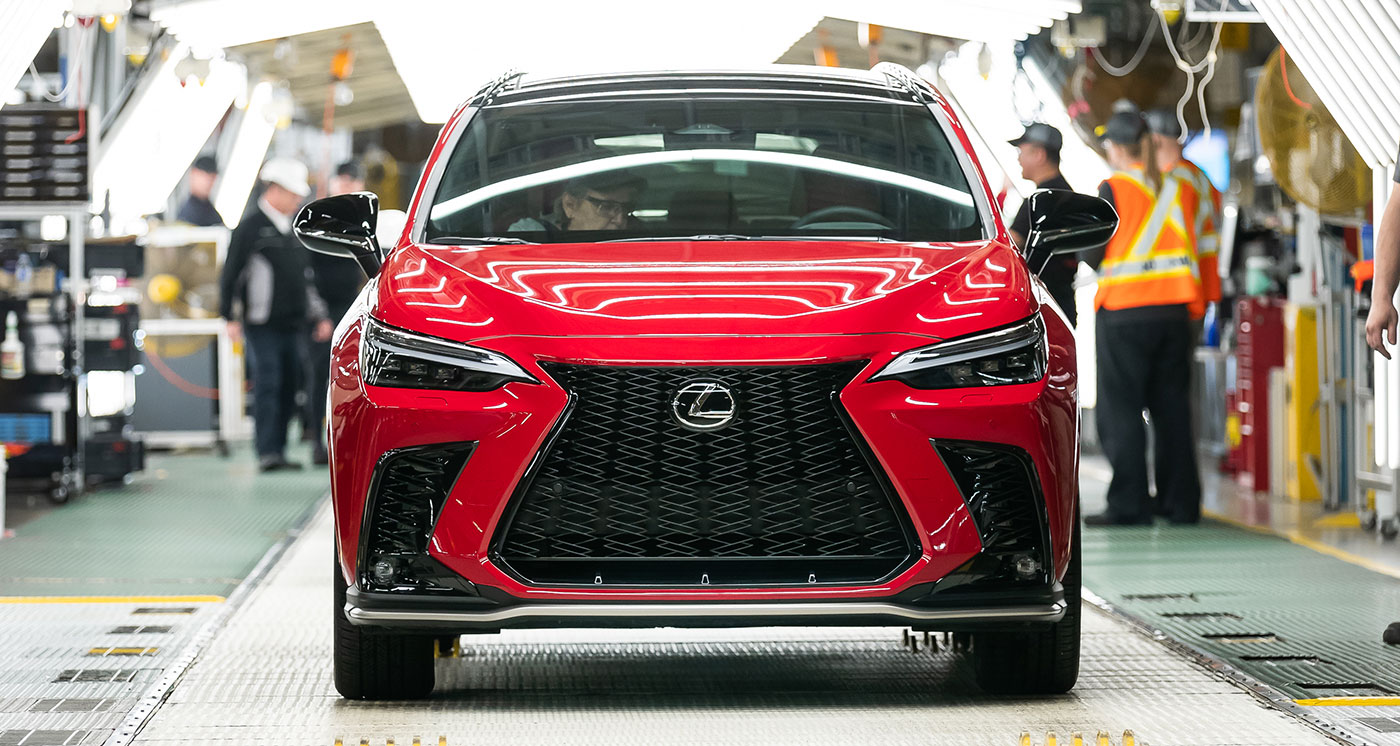
In response to these market realities, Toyota has articulated a more nuanced vision: a future that includes hybrids, plug-in hybrids, hydrogen fuel cells, and battery-electric vehicles depending on buyer needs and market tastes. Should Lexus follow suit?
The data supports this approach. Hybrid vehicles have proven incredibly popular with luxury buyers who want better fuel economy, more power, and lower emissions without the compromises that come with current EV technology. The Lexus RX lineup is a strong model for the future and available in no fewer than four different powertrains: A base turbocharged RX 350, the efficient RX 350h hybrid, the plug-in hybrid RX 450h+, and the high performance RX 500h with 366-horsepower. Whether customers are shopping for efficiency, performance, or convenience, the RX lineup provides options for every buyer and sales numbers prove that it’s working.
While traditional hybrids are available across the lineup, only the NX, RX, and TX currently offer plug-in hybrid models as well. Could proliferating PHEVs be the next step in Lexus’ electrification plans? Based on the success of other models, plug-in GX or LX variants could be tremendously popular.
With pure EVs, buyers often grapple with limited charging infrastructure and ownership inconveniences. Despite billions invested in charging networks, the experience still can’t match the convenience of a five-minute gas station stop, and for some buyers, charging options might be out of range or simply too risky for road trips or last minute travel. For luxury customers who generally expect seamless experiences, this remains a significant barrier. Hybrids solve this problem with much less risk: you get much of the efficiency benefit, a quiet operating experience, and none of the range anxiety.
Is being fully electric by 2030 even realistic now?
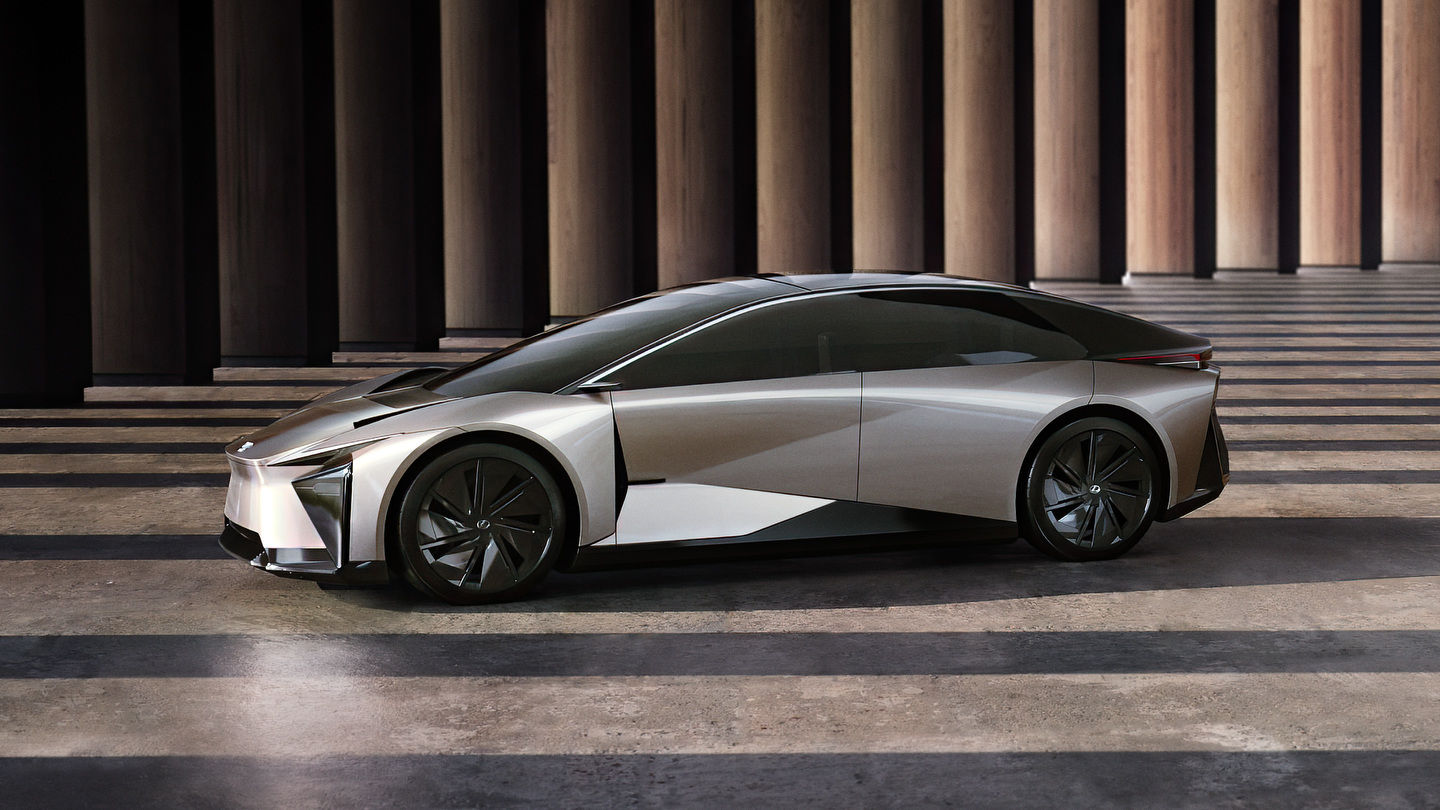
Probably not. Lexus, like every other automaker, is learning to adapt to rapidly changing market conditions and the original 2030 goal was ambitious to the point of being unrealistic, especially given Toyota’s well-documented skepticism about the pace of EV adoption. What seemed like a bold leap forward in 2021 now looks more like an aspirational target that was always subject to revision.
The current strategy — building every model on flexible platforms that can accommodate multiple powertrains, offering customers choice rather than forcing them into a single technology, and investing heavily in hybrid systems while slowly expanding the EV portfolio — is arguably more sustainable for the business and more responsive to current customer needs.
By 2030, Lexus will likely offer battery-electric versions of most or all of its models. But requiring every vehicle sold to be pure electric? Probably not – the market has spoken, and it is demanding options rather than EV mandates. While Lexus might have once aspired to be fully electric by 2030, market demands are a powerful signal in how – or if – Lexus will track towards that goal. Current sales trends would indicate that if Lexus’ chooses to stay committed to it’s BEV plan, sales would most certainly dramatically suffer.
The Best Laid Plans Can Change
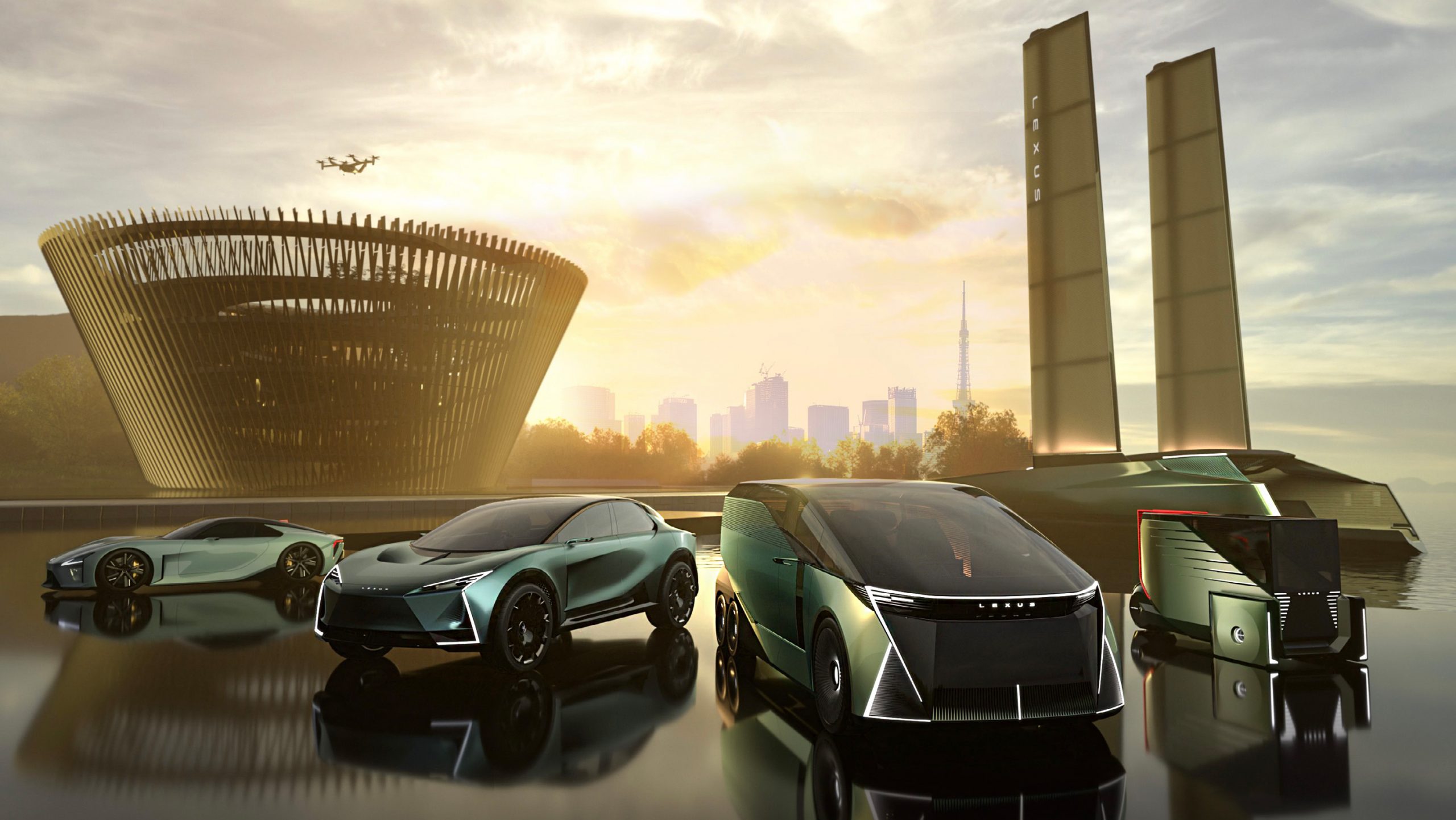
Lexus wasn’t wrong to aim high with a BEV promise in 2021, but flexibility and customer focus matter more than rigid adherence to arbitrary deadlines, and the last few years have told a very different story with buyer preference and BEV desirability.
Five years from now, the Lexus lineup will be far more electrified than it is today. But it will also likely still include hybrids and plug-in hybrids because they work for customers in ways that pure EVs currently don’t. In a luxury market where customer satisfaction is paramount, this more pragmatic approach might just be the smartest strategy of all.