-
After launching in 2008, Lexus’ performance F brand appears to be finished
-
With four one-and-done models and no successive generations, and a lineup mostly crossovers and SUVs, there is no logical continuation of F cars
-
The Gazoo Racing (GR) performance brand could replace F as Lexus’ performance moniker in the future
There hasn’t been an official announcement from Lexus, no press release declaring the end of an era, no commemorative video montage set to melancholic piano music. But make no mistake: the F brand is dead, and the RC F Final Edition rolling off the assembly line this year has been its headstone.
The pattern has been consistent to the point of being mathematical: Every Lexus F model — the IS F, the legendary LFA, the GS F, and now the RC F — has been a one-and-done affair with no follow up generation. Each arrived with fanfare and excitement, each delivered on its promise of a uniquely Lexus approach to performance, and each departed without a successor.
While competitors like BMW M, Mercedes-AMG, and Audi RS have iterated, evolved, and expanded their performance lineups over multiple generations, Lexus has simply let each F car age out of relevance with minimal investment.
Speculation has persisted that Lexus might kill off the F brand entirely, but recent comments from Lexus President Takashi Watanabe suggest something even more deflating: the company is exploring ways to provide performance through software-defined vehicles rather than traditional hardware. Instead of dedicated F models, we might get an “F-Mode” button that tweaks throttle response and driving experience through code. It’s the automotive equivalent of getting a gift card instead of an actual present — technically thoughtful, but utterly soulless.
How did it come to this?
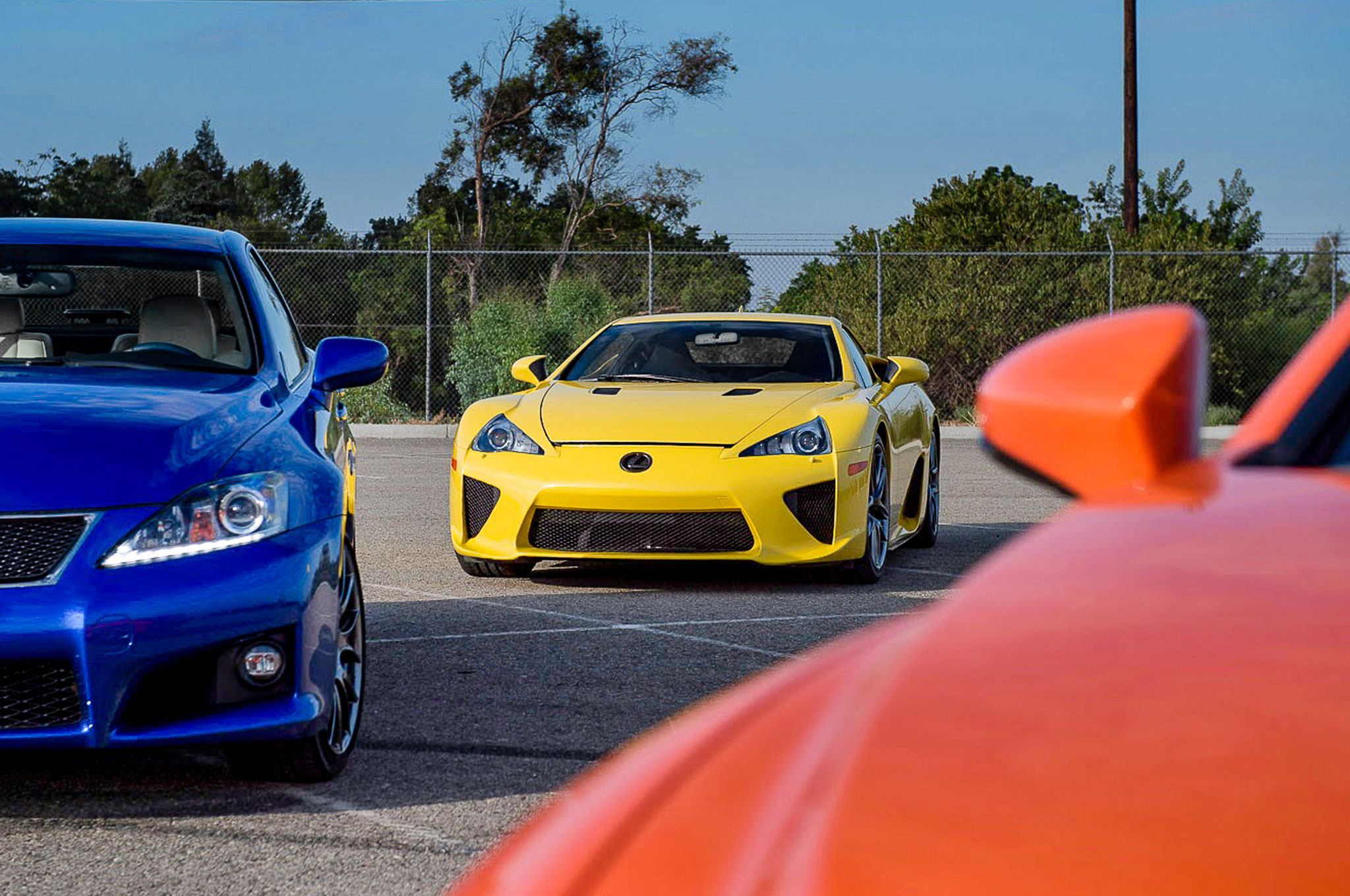
The cruel irony of the F brand’s demise is that each of these cars have become darlings of the enthusiast market — just not while they were new, and selling used cars doesn’t make a great business case. When Lexus was actually building and selling F models, dealers struggled to move them as skeptical buyers cross shopped new Lexus performance cars in segments storied with generations of competing German models. Reviewers dismissed them as underpowered compared to rivals, and sales numbers were low volume.
It takes commitment and consistency to build a legacy and Lexus should have always expected years of iterating, developing, and delivering when it made the decision to enter the realm of luxury performance cars. Instead, it seems Toyota’s management wanted instant success and when that didn’t materialize, the business case to continue investing in F fell to the bottom of the balance sheet.
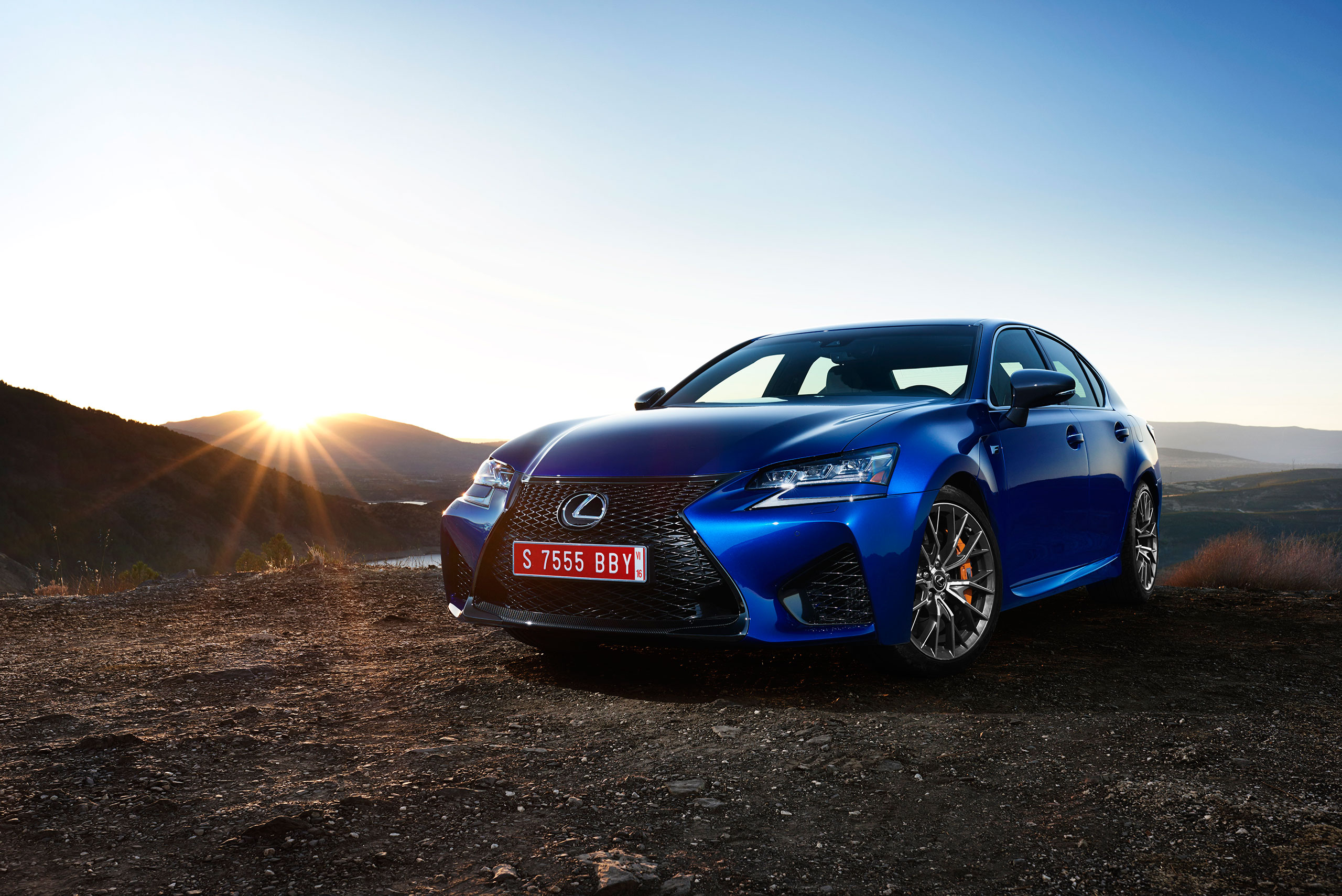
In some ways, Lexus performance cars always felt a generation behind their rivals, even if that is what buyers ultimately loved about them later. While the IS F brought a fair fight to the C63 AMG, BMW M3, and Audi RS 4, the GS F debuted with 467 horsepower when competitors like the E63 and M5 were knocking on the door of 600 horsepower.
Similarly for the LFA and RC F, Lexus just didn’t match the firepower offered by similar cars and competitors. While M, AMG, RS, and V cars turned to turbos and batteries to produce monstrous power figures, Lexus never followed suit and there were no successors to the 5.0L naturally aspirated V8 engine. In simple terms, Lexus got left in the dust and never bothered to play catch up.
Lexus never truly committed to the F brand with the investment it required to be successful. When competitors were launching new models, updated engines, and expanding their performance portfolios, Lexus was content to let the F cars slowly fade from relevance with nothing more than limited edition paint schemes and minor suspension tweaks to mark the passage of time.
Lexus LC F: The F Car That Never Happened
The RC F was almost not the last Lexus F Car. With years of speculation and many rounds of spy shots testing around the famous Nürburgring race track, a Lexus LC F was very, very close to production although never greenlit to make it to dealers.
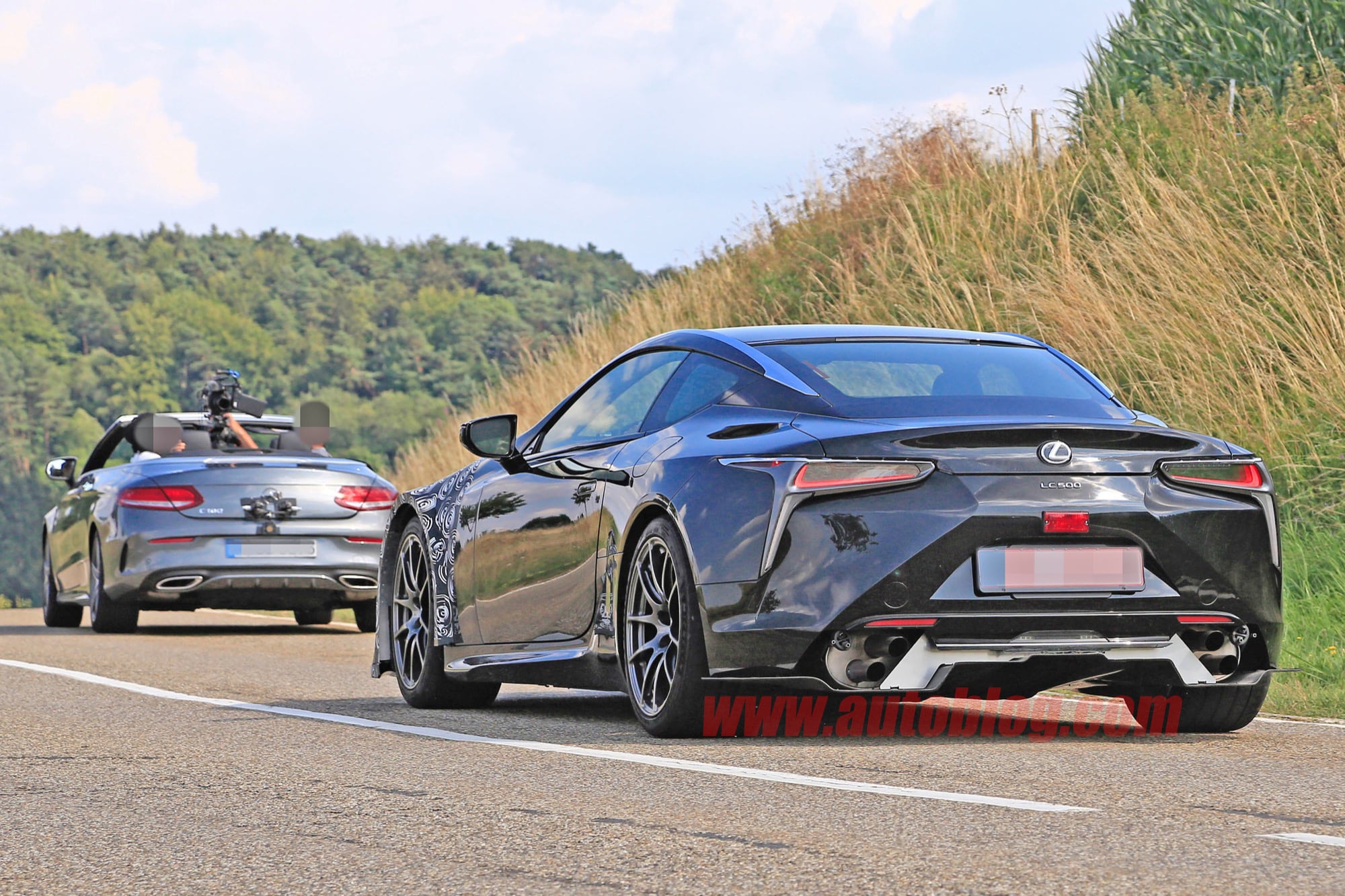
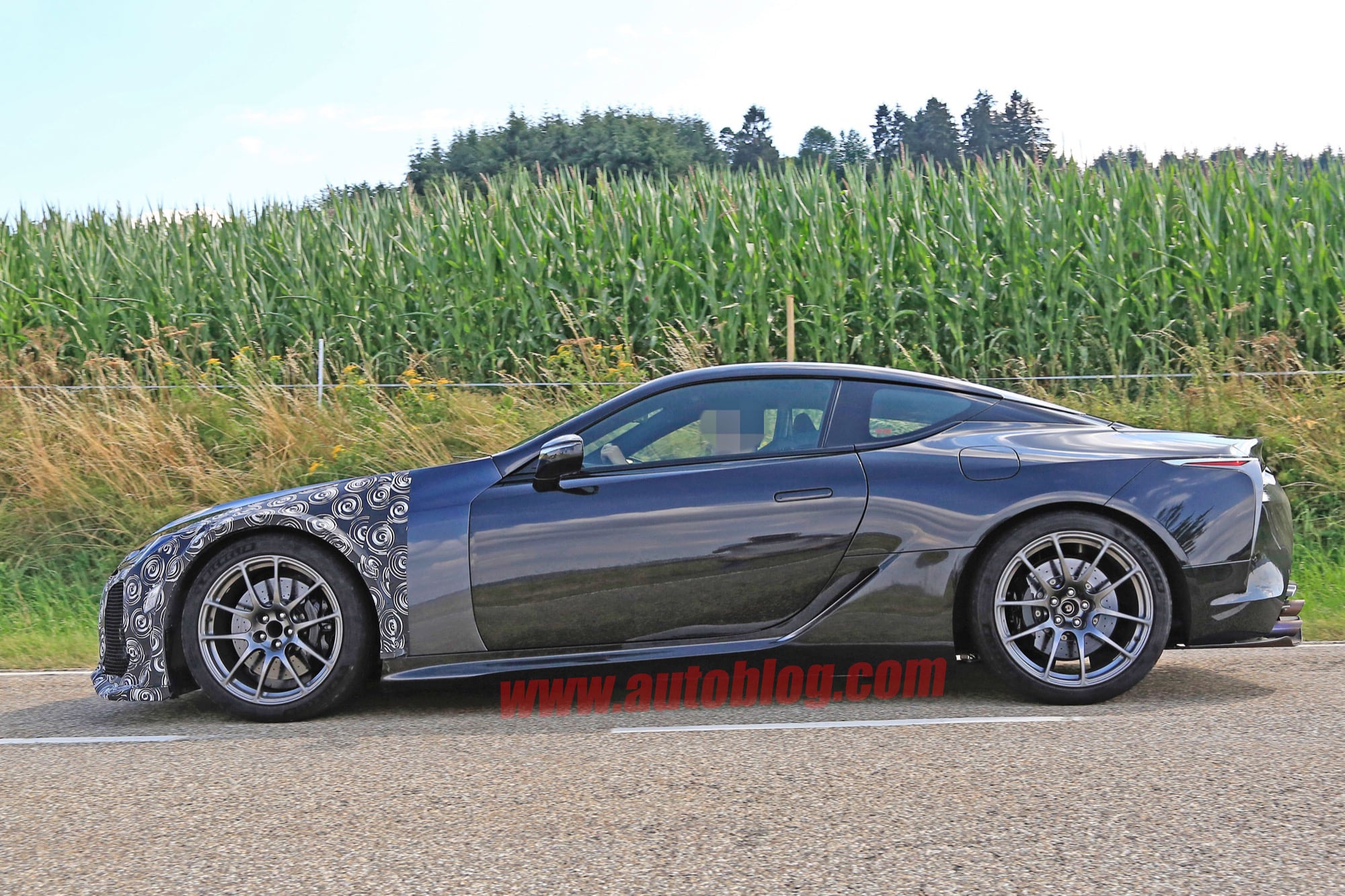
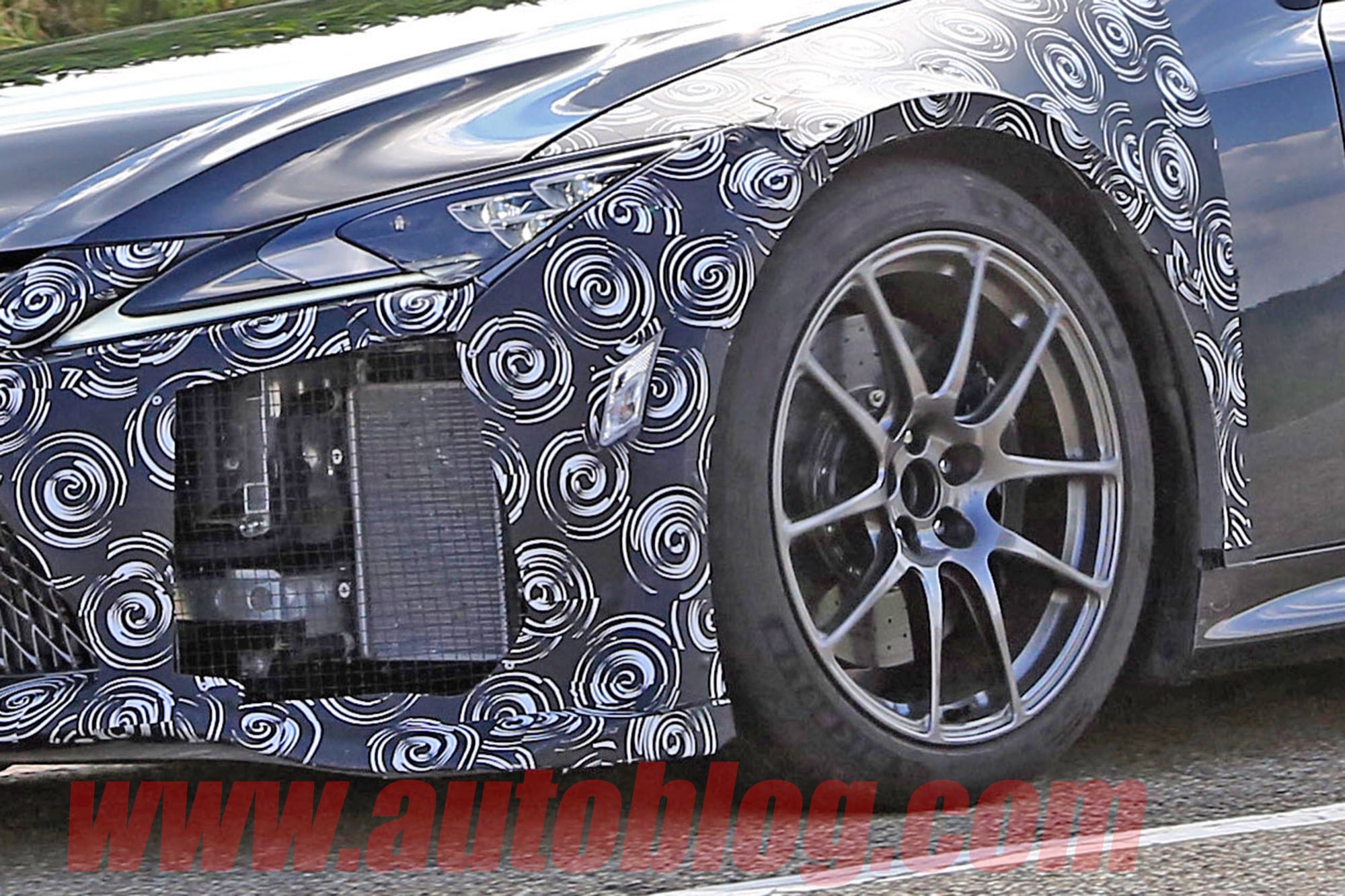
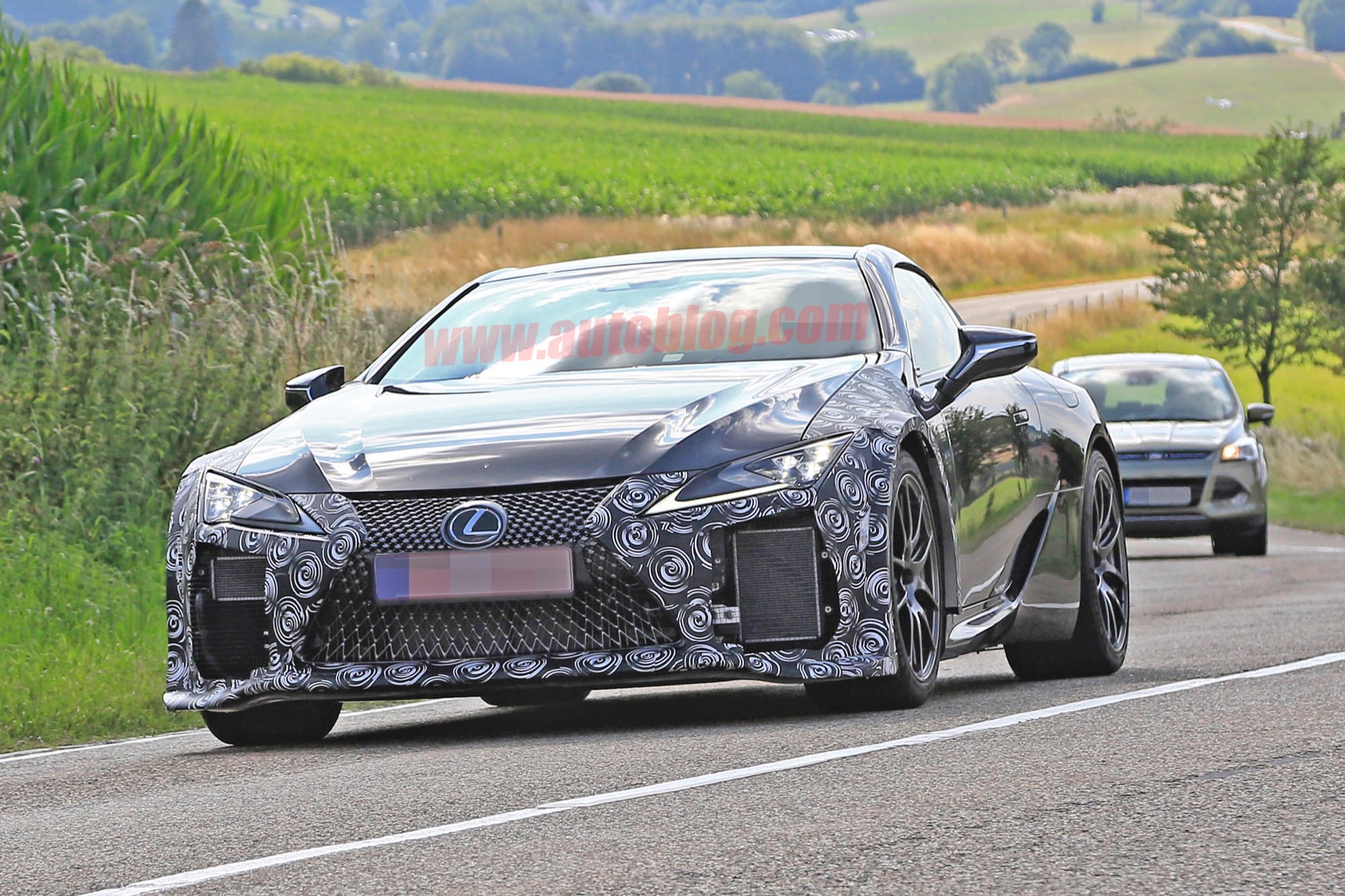
Theories around the car’s demise were plentiful, ranging from COVID and economic anxiety to Akio Toyoda being unhappy with the car’s final weight. We may never know, but the LC F would have made a hell of an F car.
It’s reported that an LS F was co-developed with the LC F, which is understandable since both share the same GA-L platform. An LC F and LS F would have been an incredible chapter of Lexus performance with two flagship vehicles available in high performance trim.
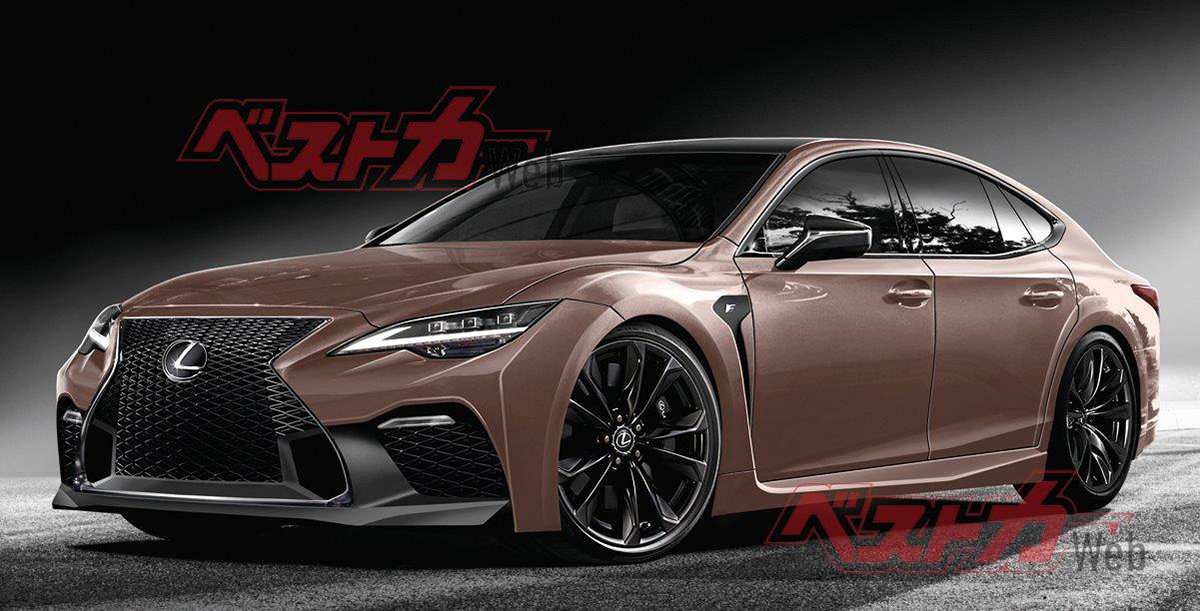
The rumored powerplant was a 4.0L twin-turbo V8 that is now expected to debut under the hood of the GR GT next month.
Nowhere Left to Build an F Car
The most damning evidence of the F brand’s death isn’t what Lexus says — or hasn’t said — it’s what remains in their lineup. Performance cars need to be based on rear-wheel drive platforms, or at least rear-wheel drive performance biased platforms with all-wheel drive. Over the last few years, Lexus has systematically dismantled the very foundation that made F cars possible.
The GS sedan? Discontinued. The RC coupe? Gone after 2025. The IS received a refresh for 2026, but the V8 engine option was removed, leaving it with only V6 or hybrid four-cylinder powertrains. The LC 500 is completing its lifecycle with reports suggesting 2026 will be its final year and only limited-edition Pinnacle and Inspiration Series models marking its exit. The LS sedan, which launched the brand, was just cancelled with a 250-unit Heritage Edition serving as its goodbye.
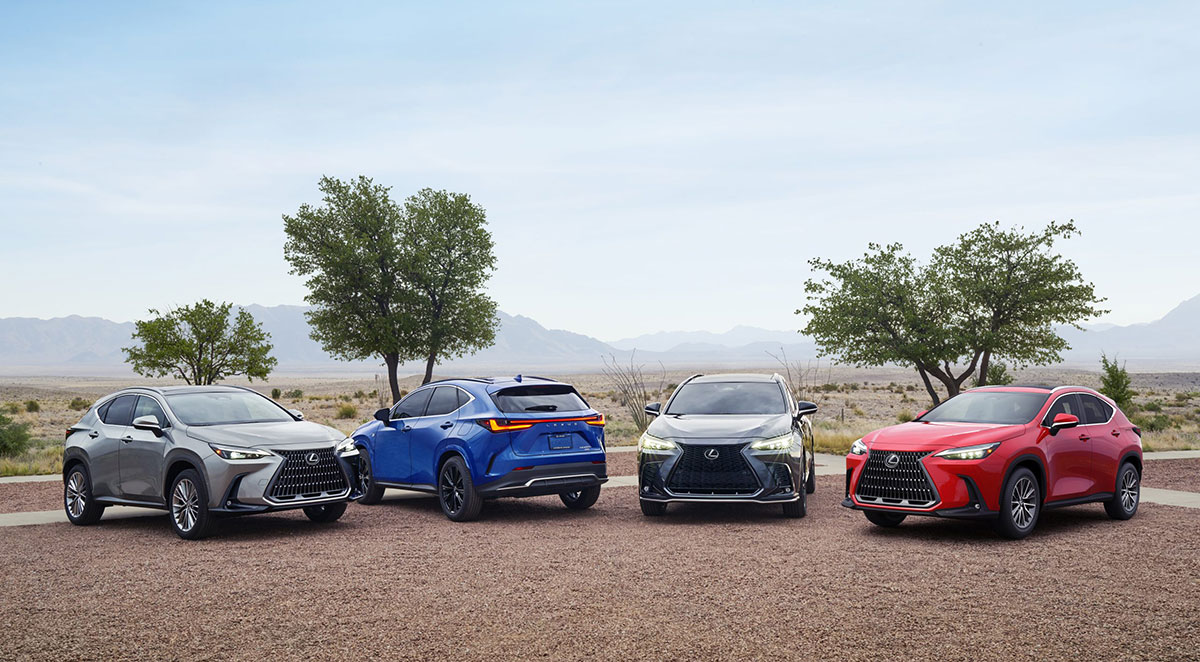
Look at what’s left: Lexus’ lineup is now dominated by front-wheel-drive-based crossovers like the NX, RX, and TX, along with body-on-frame SUVs like the GX and LX. The IS is the only rear-wheel-drive sedan remaining, and it’s unclear how much longer it will even survive.
If Lexus wanted to build another F car, there’s simply no logical starting point. You can’t make a compelling performance vehicle out of a front-wheel-drive crossover or a body-on-frame truck. The sports car DNA has been systematically bred out of the lineup.
Recent years have had rumors about new coupes, a new LFA, and even a resurgence of the GS model, but none of those have materialized as Lexus continues churning out new SUVs and crossovers. To their credit, sales of passenger cars have dropped every year as buyers abandon sedans and coupes for crossovers, but surely Lexus could have made a better case not just for performance vehicles, but for a new sedan and coupe at all.
GR: Kiss of Death Or Exciting Omen?
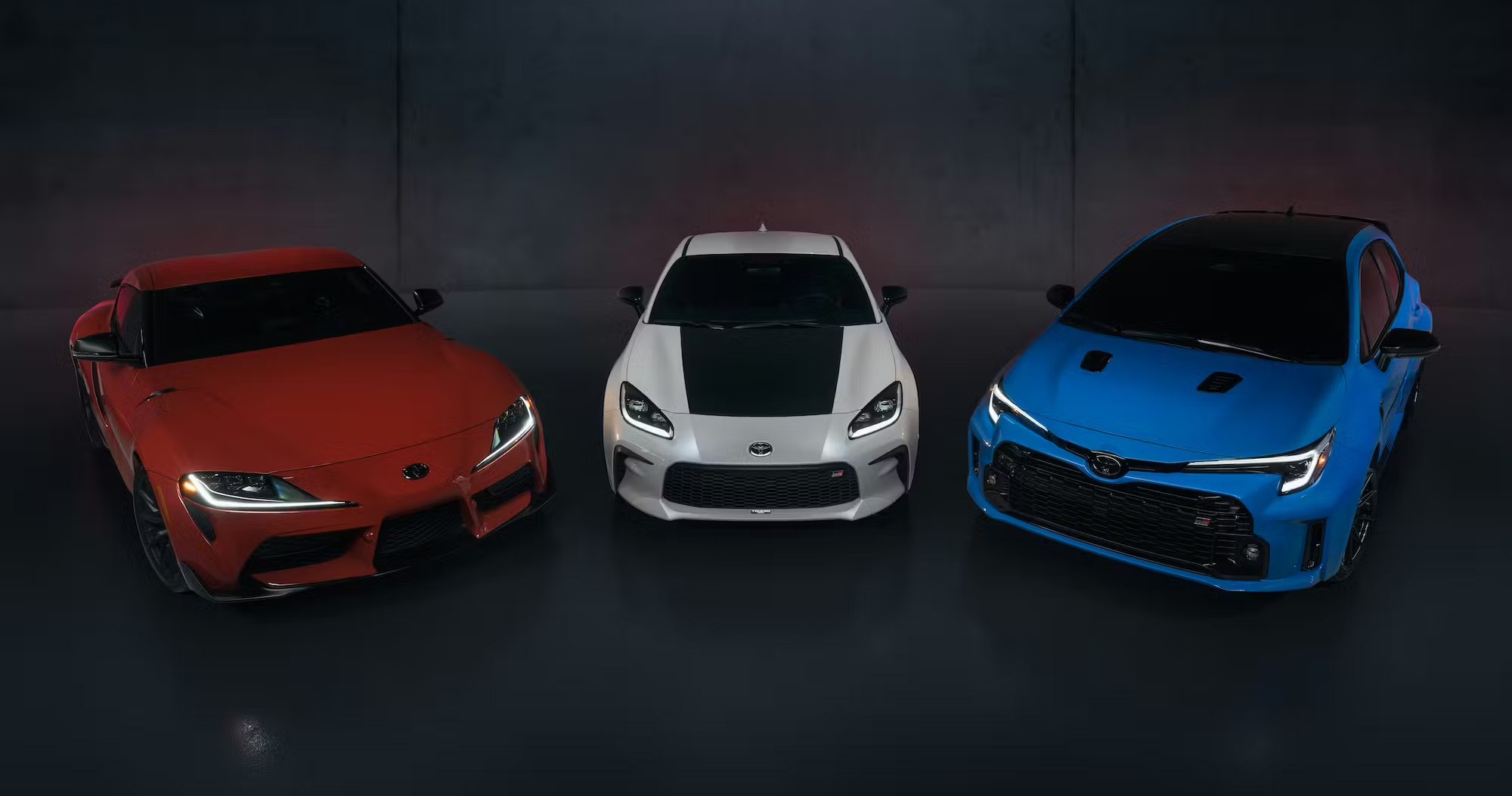
Across the corporate divide, Toyota has been investing heavily in their Gazoo Racing performance sub-brand with new models, accessories, and racing programs. The GR 86, GR Yaris, GR Supra, GR Corolla, and the upcoming GR sports car have all received significant engineering resources and marketing support from Toyota, perhaps at F’s expense.
Enthusiasts hoped the new sports would come to market as a Lexus, presumably badged as the long-rumored LFR. The car has been spotted testing wearing both Toyota, GR, and Lexus badges with references to it as both the Toyota GR GT and potential Lexus LFR, creating confusion about which brand will ultimately sell it. Most recently the car appears headed to production branded as the GR GT, not the Lexus LFR, which Lexus Enthusiast covered here.
Official teasers for the new sports car even include the Lexus LFA behind a clearly branded GR car and the words, “The soul lives on.” That could just be marketing speak or it could be symbolic that Lexus’ F brand will evolve into something new with GR support.
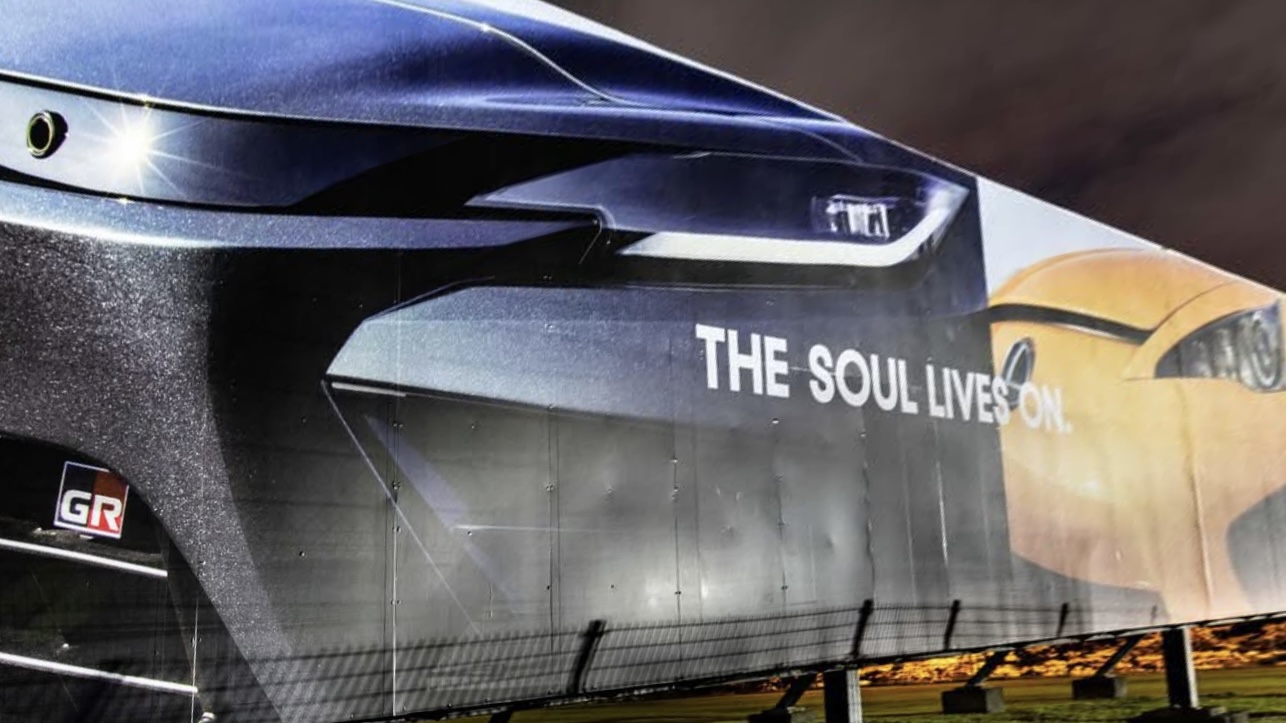
While there has been speculation that the GR brand could absorb or replace Lexus’ F moniker, no official announcements have been provided. Even if that were true, it raises an uncomfortable question: how does Lexus build legitimate performance cars when they’ve phased out nearly all their rear-wheel-drive platforms? The IS exists, barely hanging on, but what else? You can’t credibly market yourself as a performance luxury brand when your lineup consists almost entirely of decidedly unsporty, Toyota-based crossovers and SUVs.
The unfortunate truth is that Toyota executives seem more committed to launching a new GR performance brand instead of continuing what they started with F. While Gazoo Racing pushes forward with multiple sports cars and racing programs, Lexus retreats into software-defined “F-Mode” buttons and ambiguous statements about “providing value through advanced technology” instead of actual hardware.
It’s a corporate prioritization that speaks volumes about where performance sits in Lexus’ future — and the answer appears to be nowhere.
An Ending Without Closure
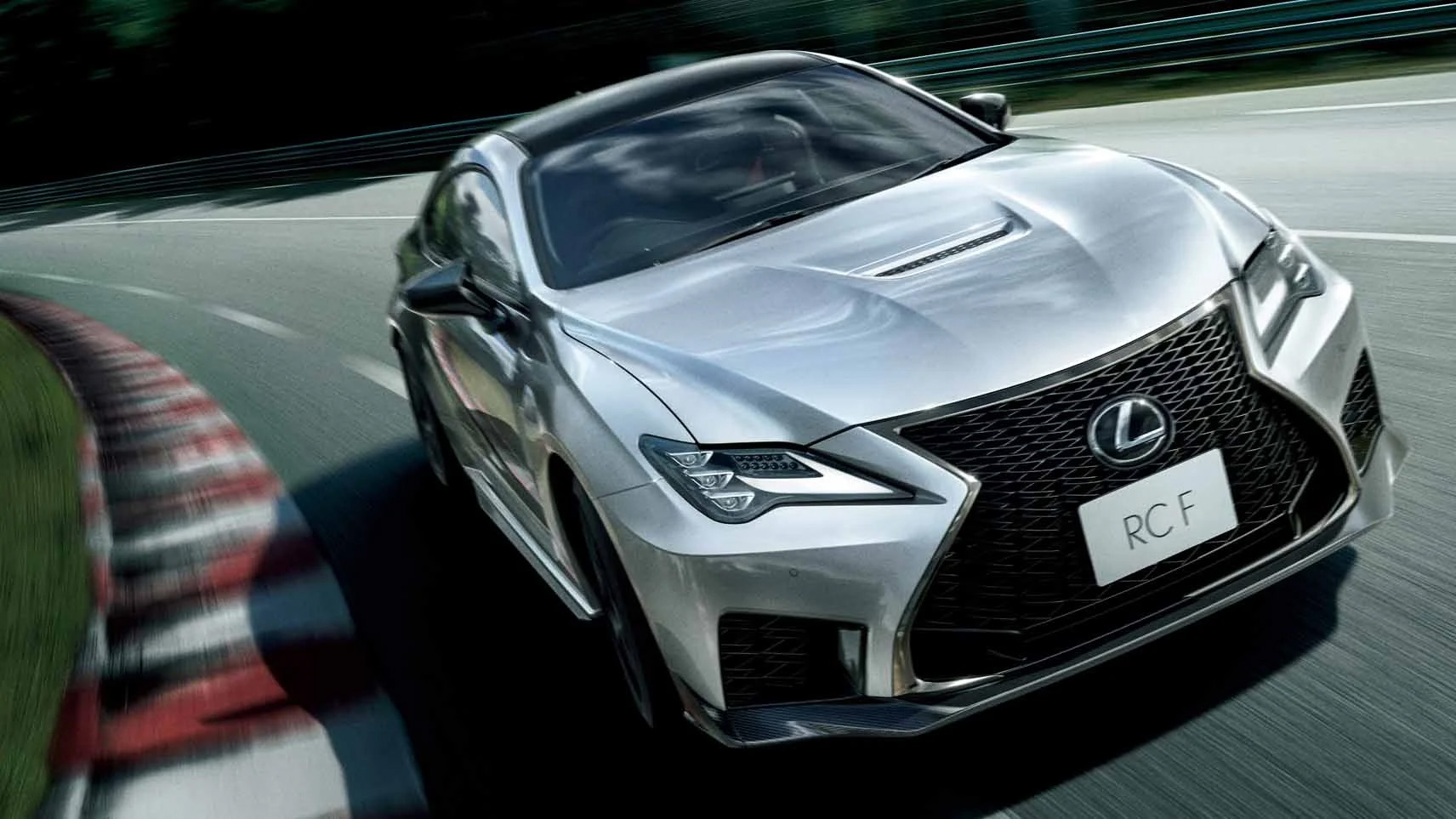
The F brand deserved better than an unceremonious fade to black. These weren’t failure cases or ill-conceived products, they were genuinely excellent Japanese performance cars that were unlucky enough to debut when the market wasn’t ready to appreciate what Lexus was offering, and to corporate executives who got rich and greedy on easy money from upscaled Toyota crossovers.
For those who believed in what F could become, this silent end is more disgraceful than any official announcement could be. We are left with something that never quite reached its full potential, and to wonder what might have been if Lexus had truly invested in iterating and evolving the F brand instead of treating each model as a half-hearted experiment.
This is not how you honor a performance legacy. It’s how you admit you never really believed in it to begin with.
With this, the F brand is dead. Long live the IS F, LFA, RC F, and GS F as relics of a brief time in history when Lexus had the passion and desire to build world-beating performance cars, even if that flame burnt out. The part of Lexus that wanted to make F possible doesn’t exist anymore.
Going forward, F may just a button on a steering wheel and the lingering memory of what could have been.
How unfortunate.